Understanding the Emotional Responses to Back-to-School
Children often experience a range of emotions as they transition back to school, including anxiety, sadness, and irritability. These feelings can stem from various sources, such as separation anxiety or social pressures, making it crucial for parents to recognize and validate their child's emotional responses. Acknowledging these feelings helps children feel understood and supported during this challenging time.
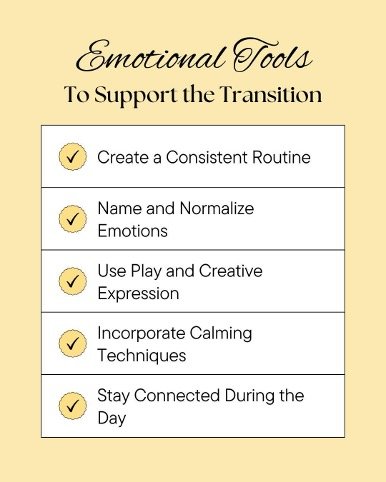
It's important to communicate openly with your child about their emotions. Encourage them to express their feelings by saying things like, “I feel nervous” or “I miss summer.” Simple conversations can help normalize their experience, allowing them to process their emotions more effectively. Additionally, engaging in activities such as drawing or storytelling can provide an outlet for children to express their concerns and fears related to school.
Practical Tools and Strategies for Parents
To help children cope with the emotional challenges of returning to school, parents can implement various practical tools and strategies. Techniques such as deep breathing and grounding exercises can help children manage anxiety in the moment. Introducing transitional objects, like a comfort item in their backpack, can also provide reassurance and a sense of security as they navigate their school environment.
Creating after-school rituals, such as designated snack and talk times, can foster open communication and help children decompress after a long day. Additionally, small gestures like leaving encouraging notes in their lunchbox can serve as a reminder of home and support, reinforcing their emotional well-being throughout the school day.
Signs Your Child May Need Extra Support
While many children will experience some level of anxiety during the back-to-school transition, it's essential to recognize when these feelings become more severe. Signs that your child may need professional help include persistent school refusal, significant behavioral changes, or ongoing sleep or eating issues. These symptoms can indicate that your child is struggling more than typical and may benefit from additional support.
If you notice these signs, consider reaching out to a mental health professional who specializes in child psychology. Early intervention can make a significant difference in helping your child develop coping strategies and resilience, ensuring they have the tools they need to navigate their emotions effectively.
Maintaining Connection During Transitions
Maintaining a strong connection with your child during the transition back to school is vital for their emotional well-being. Regularly scheduled family time can help reinforce bonds and provide a safe space for children to express their feelings. This connection fosters a sense of security and belonging, which is particularly important during times of change.
Engaging in shared activities, whether it's family game nights or weekend outings, can also serve as a distraction from school-related stress. By prioritizing quality time together, parents can help their children feel more supported and less isolated, ultimately easing the emotional challenges of returning to school.
Understanding the Emotional Responses to Back-to-School
Children often experience a range of emotions as they transition back to school, including anxiety, sadness, and irritability. These feelings can stem from various sources, such as separation anxiety or social pressures, making it crucial for parents to recognize and validate their child's emotional responses. Acknowledging these feelings helps children feel understood and supported during this challenging time.
It's important to communicate openly with your child about their emotions. Encourage them to express their feelings by saying things like, “I feel nervous” or “I miss summer.” Simple conversations can help normalize their experience, allowing them to process their emotions more effectively. Additionally, engaging in activities such as drawing or storytelling can provide an outlet for children to express their concerns and fears related to school.
Practical Tools and Strategies for Parents
To help children cope with the emotional challenges of returning to school, parents can implement various practical tools and strategies. Techniques such as deep breathing and grounding exercises can help children manage anxiety in the moment. Introducing transitional objects, like a comfort item in their backpack, can also provide reassurance and a sense of security as they navigate their school environment.
Creating after-school rituals, such as designated snack and talk times, can foster open communication and help children decompress after a long day. Additionally, small gestures like leaving encouraging notes in their lunchbox can serve as a reminder of home and support, reinforcing their emotional well-being throughout the school day.
Signs Your Child May Need Extra Support
While many children will experience some level of anxiety during the back-to-school transition, it's essential to recognize when these feelings become more severe. Signs that your child may need professional help include persistent school refusal, significant behavioral changes, or ongoing sleep or eating issues. These symptoms can indicate that your child is struggling more than typical and may benefit from additional support.
If you notice these signs, consider reaching out to a mental health professional who specializes in child psychology. Early intervention can make a significant difference in helping your child develop coping strategies and resilience, ensuring they have the tools they need to navigate their emotions effectively.
Maintaining Connection During Transitions
Maintaining a strong connection with your child during the transition back to school is vital for their emotional well-being. Regularly scheduled family time can help reinforce bonds and provide a safe space for children to express their feelings. This connection fosters a sense of security and belonging, which is particularly important during times of change.
Engaging in shared activities, whether it's family game nights or weekend outings, can also serve as a distraction from school-related stress. By prioritizing quality time together, parents can help their children feel more supported and less isolated, ultimately easing the emotional challenges of returning to school.