
Sand Tray Therapy in Fort Myers, FL
By Diana Salazar, Sunshine State Counseling Center
Sand tray therapy is a unique and effective therapeutic approach that utilizes a sandbox and miniature figures to facilitate non-verbal communication and expression. This method is particularly beneficial for individuals, especially children, who may struggle to articulate their thoughts and feelings verbally. Through the creative process of building scenes in the sand, clients can explore their emotions, experiences, and relationships in a safe and supportive environment. This article will delve into the definition, therapeutic benefits, techniques used, practical applications, and session details of sand tray therapy, particularly in the context of services offered in Fort Myers, FL.
What Is Sand Tray Therapy? Definition and Process Overview
Sand tray therapy is a hands-on expressive therapy that allows individuals to create scenes using miniature figures and objects within a sandbox. This non-verbal communication method enables clients to express their thoughts and feelings symbolically, making it especially useful for those who find it challenging to articulate their emotions verbally. The therapeutic process is guided by a trained therapist who facilitates the exploration of the client’s inner world through the scenes they create. This approach fosters a deeper understanding of personal issues and promotes emotional healing.
Therapeutic Benefits:
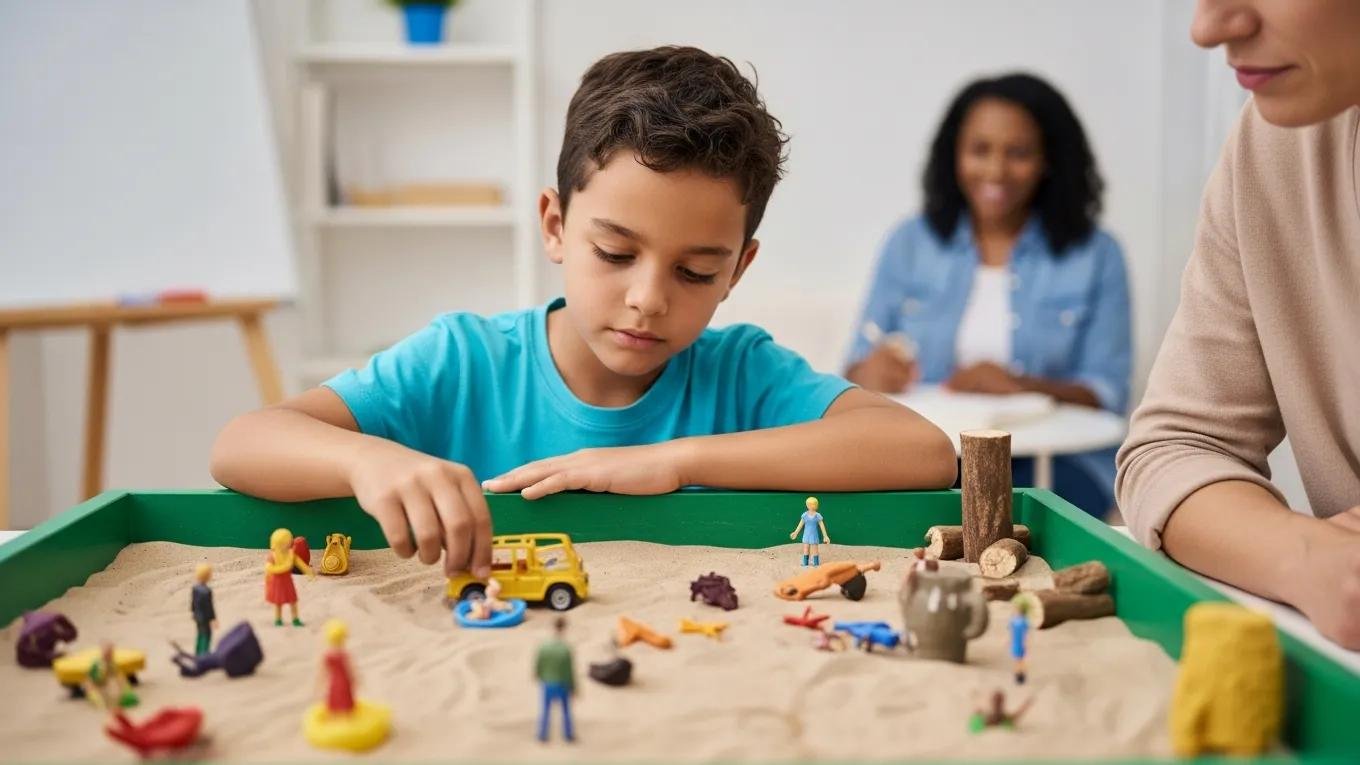
Sand tray therapy offers numerous therapeutic benefits that can significantly enhance emotional and psychological well-being. Some of the key benefits include:
- Emotional Regulation: Clients learn to identify and manage their emotions through the creative process, leading to improved emotional stability.
- Problem-Solving Skills: The therapy encourages clients to explore different scenarios and solutions, enhancing their problem-solving abilities.
- Trauma Processing: By externalizing their experiences in the sand, clients can process trauma in a safe and controlled environment.
At Sunshine State Counseling Center, these benefits are integrated into therapy sessions, providing clients with a comprehensive approach to mental health care.
Techniques Used:
The techniques employed in sand tray therapy are designed to facilitate expression and exploration. Key techniques include:
- Miniature Figures and Objects: Clients select from a variety of figures and objects to represent their thoughts, feelings, and experiences in the sand.
- Guided Play: The therapist guides the client through the process, encouraging them to narrate their scenes and explore their meanings.
- Non-Verbal Expression: This method allows clients to communicate their emotions and experiences without the need for verbalization, making it accessible for those who may struggle with traditional talk therapy.
Practical Applications:
Sand tray therapy can be applied in various therapeutic settings and is effective for a wide range of issues, including:
- Anxiety: Clients can express their fears and anxieties through the creation of scenes, helping them to confront and manage these feelings.
- Depression: The therapy provides a creative outlet for clients to explore feelings of sadness and hopelessness, promoting emotional healing.
- Behavioral Challenges: Children with behavioral issues can benefit from the non-verbal expression of their feelings, leading to improved behavior and emotional regulation.
Session Details:
A typical sand tray therapy session lasts about 50 minutes and follows a structured format. The therapist begins with an initial consultation to understand the client’s needs and goals. During the session, clients are encouraged to create their scenes in the sand, after which they discuss their creations with the therapist. This collaborative process fosters insight and understanding, allowing clients to gain clarity on their emotions and experiences.
What Is Sand Tray Therapy and How Does It Function?
Sand tray therapy functions by providing a safe space for clients to express themselves through creative play. The act of building scenes in the sand allows individuals to externalize their internal struggles, making it easier to process complex emotions. The therapist plays a crucial role in guiding this process, helping clients to explore the meanings behind their creations and facilitating discussions that promote healing.
How It Functions:
The therapy engages clients in creative play, where they can manipulate the sand and figures to represent their thoughts and feelings. This non-verbal outlet is particularly effective for children and individuals who may find it difficult to articulate their emotions verbally. The therapist’s guidance helps clients to reflect on their creations, leading to deeper insights and emotional growth.
Target Populations:
Sand tray therapy is beneficial for a diverse range of populations, including:
- Young Children: Children often express themselves better through play than through words, making sand tray therapy an ideal approach.
- Older Children and Teens: Adolescents can explore complex emotions and relationships in a safe environment.
- Adults: Adults dealing with trauma, anxiety, or depression can also benefit from this non-verbal therapeutic approach.
Defining Sand Tray Therapy as a Non-Verbal Therapeutic Procedure
Sand tray therapy is defined as a non-verbal therapeutic procedure that utilizes creative expression to facilitate emotional healing. This method allows clients to explore their inner worlds without the constraints of verbal communication, making it particularly effective for those who may struggle to articulate their feelings. The use of a sandbox and miniature figures provides a tangible way for clients to express their thoughts and emotions, fostering a deeper understanding of their experiences.
Principles:
The principles of sand tray therapy are rooted in the belief that creative expression can lead to healing and self-discovery. By engaging in this non-verbal process, clients can explore their emotions and experiences in a safe and supportive environment. The therapist’s role is to facilitate this exploration, guiding clients to reflect on their creations and gain insights into their emotional states.
Techniques:
The techniques used in sand tray therapy are designed to promote expression and exploration. Clients are encouraged to select figures and objects that resonate with their experiences, allowing them to create scenes that reflect their inner worlds. This process is guided by the therapist, who helps clients to articulate the meanings behind their creations and explore their emotions in depth.
Applications in Therapeutic Settings:
Sand tray therapy can be applied in various therapeutic settings, including individual therapy, group therapy, and family therapy. Its versatility makes it an effective approach for addressing a wide range of issues, from anxiety and depression to trauma and behavioral challenges. The non-verbal nature of the therapy allows clients to engage in the therapeutic process without the pressure of verbal communication, making it accessible for individuals of all ages.
Step-by-Step Overview of a Typical Sand Tray Therapy Session
A typical sand tray therapy session follows a structured format that includes several key steps:
- Preparation: The therapist prepares the space, ensuring that the sandbox and miniature figures are accessible to the client.
- Engagement: The client is invited to create a scene in the sand, selecting figures and objects that resonate with their experiences.
- Reflection: After the scene is created, the therapist guides the client in reflecting on their creation, exploring the emotions and meanings behind it.
This structured approach allows clients to engage fully in the therapeutic process, promoting emotional exploration and healing.
What Are the Proven Benefits of Sand Tray Therapy for Children and Adolescents?
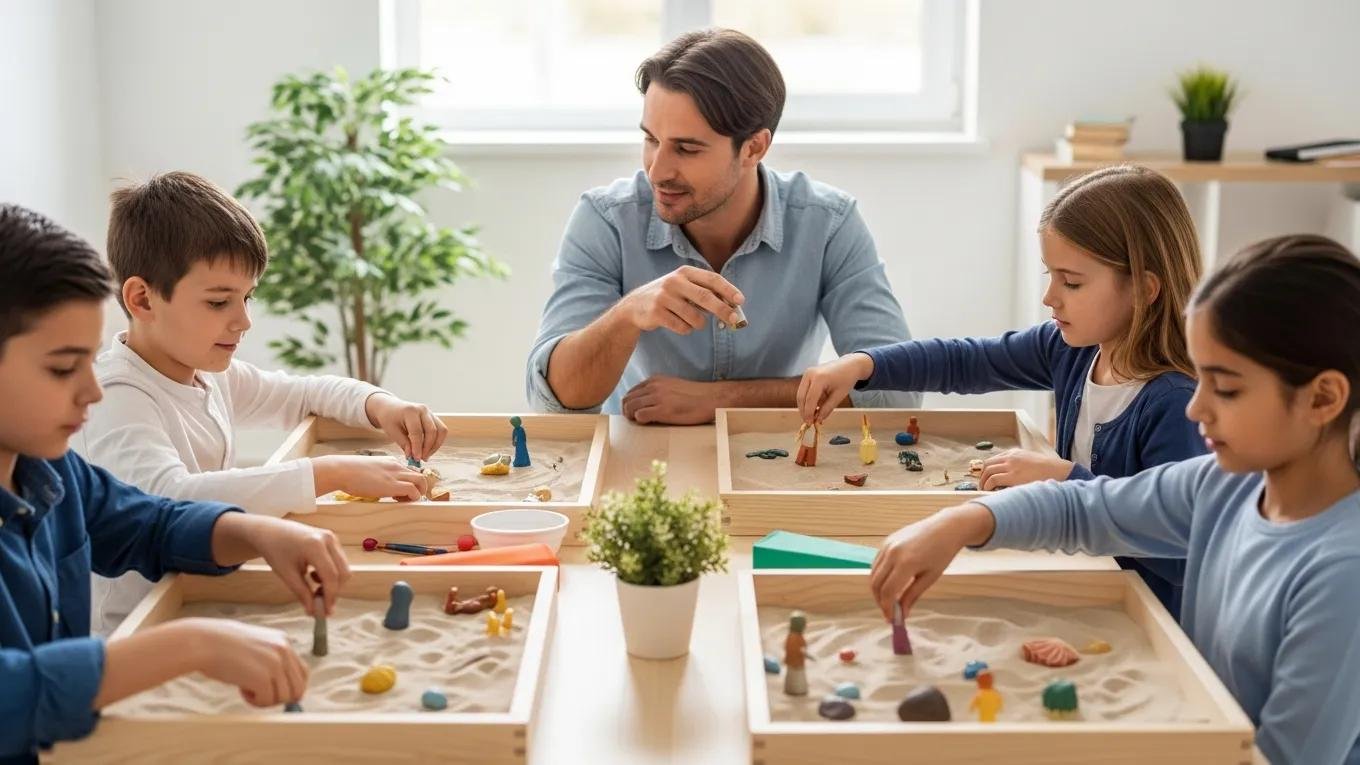
Sand tray therapy has been shown to provide several proven benefits for children and adolescents, including:
- Emotional Expression: The therapy allows young clients to express their feelings in a safe and supportive environment, promoting emotional growth.
- Coping Skills: Through the creative process, clients develop coping skills that can help them manage their emotions and navigate challenges.
- Self-Confidence: Engaging in sand tray therapy can boost self-confidence as clients gain insights into their emotions and experiences.
Expressive Therapy Benefits for Child Trauma and Emotional Development
Expressive therapy, including sand tray therapy, offers significant benefits for children dealing with trauma and emotional development. By providing a non-verbal outlet for expression, children can process their experiences in a safe environment. This therapeutic approach fosters resilience and emotional growth, helping children to develop healthy coping mechanisms and improve their overall well-being.
Clinical Evidence Supporting Sand Tray Therapy Effectiveness in Youth Mental Health
Research studies have demonstrated the effectiveness of sand tray therapy in promoting positive therapeutic outcomes for youth mental health. Clinical evidence supports its use in addressing various mental health issues, including anxiety, depression, and trauma. The non-verbal nature of the therapy allows for deeper emotional exploration, making it a valuable tool in the therapeutic arsenal for mental health professionals.
How Does Sunshine State Counseling Center Deliver Sand Tray Therapy in Fort Myers?
At Sunshine State Counseling Center, sand tray therapy is delivered by trained therapists who specialize in this unique therapeutic approach. The center provides a safe and supportive environment for clients to explore their emotions and experiences through creative expression. The therapists guide clients through the process, ensuring that each session is tailored to meet the individual needs of the client.
Integration of Family and Couples Therapy with Sand Tray Techniques
Sand tray therapy can be effectively integrated with family and couples therapy, allowing for a holistic approach to emotional healing. By involving family members in the therapeutic process, clients can explore their relationships and dynamics in a safe environment. This integration fosters communication and understanding, promoting healthier relationships and emotional growth.
Accessibility Through Online Counseling and Free Consultation Offers
Sunshine State Counseling Center offers online counseling options, making sand tray therapy accessible to clients who may prefer virtual sessions. Additionally, the center provides free consultations to help clients understand the therapeutic process and determine if sand tray therapy is the right fit for their needs.
What Are the Key Non-Verbal Therapy Methods Complementing Sand Tray Therapy?
Several key non-verbal therapy methods complement sand tray therapy, enhancing the therapeutic experience. These methods include:
- Play Therapy: This approach utilizes play as a means of communication, allowing children to express their feelings and experiences through play.
- Art Therapy: Art therapy encourages creative expression through various artistic mediums, providing another avenue for emotional exploration.
- Music Therapy: Music therapy uses music as a therapeutic tool to promote emotional expression and healing.
Play Therapy Techniques Utilized Alongside Sand Tray Therapy
Play therapy techniques can be effectively utilized alongside sand tray therapy to enhance the therapeutic process. By incorporating play into the sessions, therapists can create a more engaging and supportive environment for clients. This combination allows for deeper emotional exploration and promotes healing through creative expression.
Expressive Therapy Modalities for Enhanced Mental Health Outcomes
Expressive therapy modalities, including sand tray therapy, art therapy, and play therapy, offer enhanced mental health outcomes by providing clients with multiple avenues for expression. These modalities encourage creativity and self-exploration, leading to improved emotional regulation and overall well-being.
How to Prepare for and What to Expect During a Sand Tray Therapy Session?
Preparing for a sand tray therapy session involves understanding the process and what to expect. Clients are encouraged to come with an open mind and a willingness to engage in the creative process. The therapist will guide the session, ensuring that clients feel comfortable and supported throughout.
Initial Consultation and Assessment Procedures at Sunshine State Counseling Center
During the initial consultation at Sunshine State Counseling Center, clients will undergo an assessment to determine their needs and goals for therapy. This assessment helps the therapist tailor the sessions to meet the individual needs of the client, ensuring a personalized therapeutic experience.
Typical Session Structure and Client Participation Guidelines
A typical sand tray therapy session includes a structured format that encourages client participation. Clients are invited to create scenes in the sand, select figures, and discuss their creations with the therapist. This collaborative process fosters insight and understanding, allowing clients to gain clarity on their emotions and experiences.
What Are the Frequently Asked Questions About Sand Tray Therapy in Fort Myers?
Sand tray therapy often raises several questions among potential clients. Some common inquiries include:
- How long does a session last? Sessions typically last about 50 minutes.
- Is sand tray therapy suitable for all ages? Yes, it is effective for children, adolescents, and adults.
- What should I bring to a session? Clients are encouraged to come with an open mind and a willingness to engage in the creative process.
Is Sand Tray Therapy Effective for Adult Clients and Trauma Recovery?
Yes, sand tray therapy is effective for adult clients and can be particularly beneficial for those recovering from trauma. The non-verbal nature of the therapy allows adults to explore their emotions and experiences in a safe environment, promoting healing and emotional growth.
How Does Online Counseling Support Sand Tray Therapy Sessions?
Online counseling can effectively support sand tray therapy sessions by providing clients with the flexibility to engage in therapy from the comfort of their own homes. This accessibility ensures that clients can continue their therapeutic journey, even if they are unable to attend in-person sessions.
How Does Sand Tray Therapy Compare to Other Child Therapy Techniques in Fort Myers?
Sand tray therapy offers unique advantages compared to other child therapy techniques. Its non-verbal nature allows children to express themselves creatively, making it particularly effective for those who may struggle with traditional talk therapy.
Comparative Benefits of Sand Tray Therapy Versus Traditional Talk Therapy
Sand tray therapy provides several comparative benefits over traditional talk therapy, including:
- Engagement Levels: Children are often more engaged in the creative process than in verbal discussions.
- Effectiveness for Children: The non-verbal approach allows for deeper emotional exploration, making it particularly effective for young clients.
Unique Advantages of Non-Verbal Methods in Child and Adolescent Counseling
Non-verbal methods, such as sand tray therapy, offer unique advantages in child and adolescent counseling. These methods allow for creative expression, making it easier for young clients to articulate their feelings and experiences. This approach fosters emotional growth and resilience, promoting overall well-being.
Where Can Clients Access Affordable Mental Health Counseling Including Sand Tray Therapy in Fort Myers?
Clients seeking affordable mental health counseling, including sand tray therapy, can access services at Sunshine State Counseling Center. The center offers low-cost options and free consultations to ensure that clients receive the support they need.
Sunshine State Counseling Center’s Low-Cost Options and Free Consultation Offers
Sunshine State Counseling Center provides low-cost options for mental health counseling, making it accessible to a wider range of clients. Additionally, the center offers free consultations to help clients understand the therapeutic process and determine if sand tray therapy is the right fit for their needs.
Local Resources and Referral Networks for Mental Health Services
In addition to the services offered at Sunshine State Counseling Center, clients can access local resources and referral networks for mental health services. These resources can provide additional support and guidance for individuals seeking mental health care.
Sand Tray Therapy for Adults: Healing Through Symbolic Expression
Sand tray therapy is not limited to children; it is also an effective therapeutic approach for adults. By engaging in the creative process, adults can explore their emotions and experiences, promoting healing and self-discovery.
Processing Trauma and Grief Through Sand Tray
Adults dealing with trauma and grief can benefit significantly from sand tray therapy. The non-verbal nature of the therapy allows individuals to process their experiences in a safe environment, facilitating emotional healing and growth.
How Adults Benefit from Non-Verbal Therapeutic Approaches
Non-verbal therapeutic approaches, such as sand tray therapy, offer unique benefits for adults. These methods allow for creative expression, making it easier for individuals to articulate their feelings and experiences. This approach fosters emotional growth and resilience, promoting overall well-being.
Bilingual Sand Tray Therapy in English and Spanish
Sunshine State Counseling Center offers bilingual sand tray therapy services in both English and Spanish. This ensures that clients from diverse backgrounds can access the therapeutic support they need in a language they are comfortable with.
Culturally Sensitive Care for Hispanic and Latino Clients
The center is committed to providing culturally sensitive care for Hispanic and Latino clients. By offering bilingual services and understanding cultural nuances, the therapists can create a supportive environment that fosters healing and emotional growth.
Telehealth and Flexible Scheduling at Sunshine State Counseling Center
Sunshine State Counseling Center offers telehealth options and flexible scheduling to accommodate clients’ needs. This accessibility ensures that clients can engage in therapy at their convenience, promoting continuity of care.
Evening and Weekend Appointments for Busy Families
To better serve busy families, the center provides evening and weekend appointments. This flexibility allows clients to access mental health services without disrupting their daily routines.
Virtual Consultations and Hybrid Therapy Options
Sunshine State Counseling Center also offers virtual consultations and hybrid therapy options, combining in-person and online sessions. This approach ensures that clients can receive the support they need in a format that works best for them.