
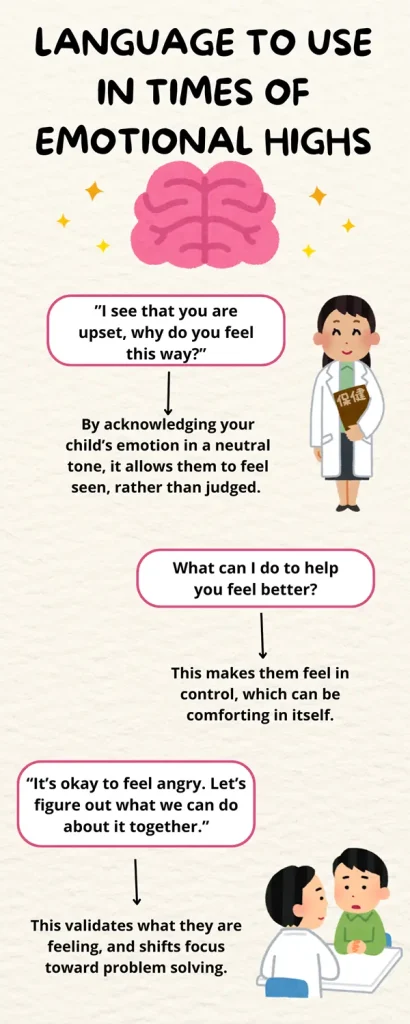
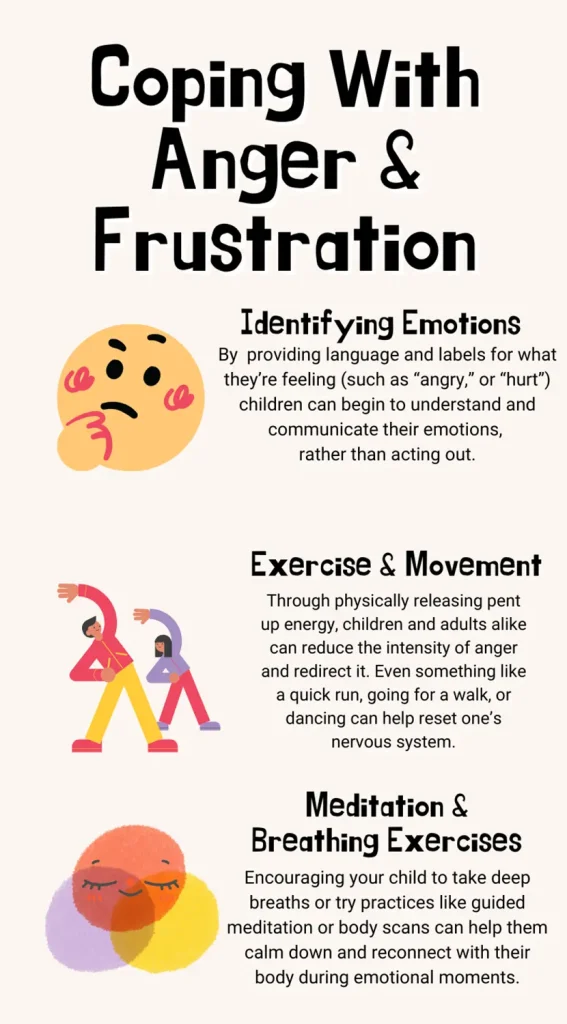
Everyone feels anger from time to time. Whether it be from minor inconveniences, or deeper issues such as family conflict or things not turning out the way we expected it to, anger is a natural response to feeling hurt, powerless, or out of control. For children especially, who may not have the language or tools to healthily channel or release their frustration in an appropriate way, the manifestation of their pent up emotions often results in outbursts, tantrums, or destruction.
Reframing Anger as a Signal, Rather Than a Negative Emotion
When anger is deemed as a negative emotion, it creates an air of shame and suppression around it. This is problematic for a number of reasons. Often, this results in emotional bottling, explosive outbursts, or internalized distress. Instead of treating anger as something to avoid, we can teach children to recognize it as a signal– an indicator that something doesn’t feel right.
What’s Next
If aggression or extreme irritability persists or worsens, it may be a symptom of an underlying issue such as anxiety, trauma, or a mood disorder. In order to develop healthy coping mechanisms, play therapy and art therapy are excellent tools to instill and foster self-expression, emotional maturity, and problem solving skills in your child.
Contact Sunshine State Counseling Center at (239) 495-7722 to schedule an appointment.