The Importance of Mental Health Support Systems
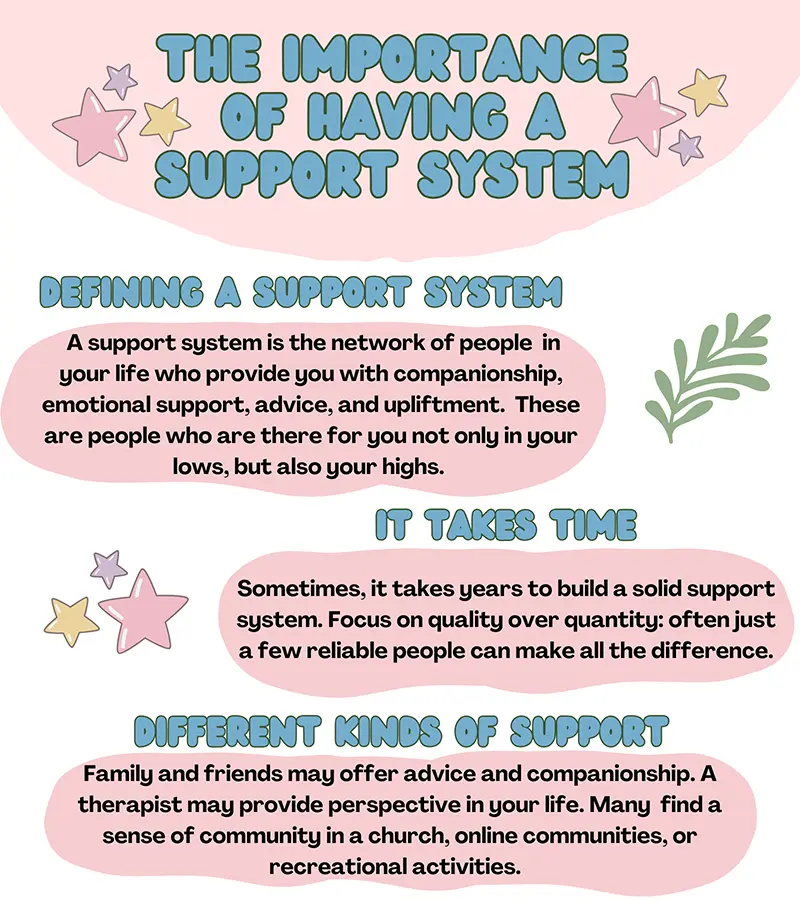
Mental health support systems are crucial for fostering resilience and emotional well-being. These systems consist of relationships with family, friends, and professionals that provide emotional support, practical assistance, and guidance during challenging times.
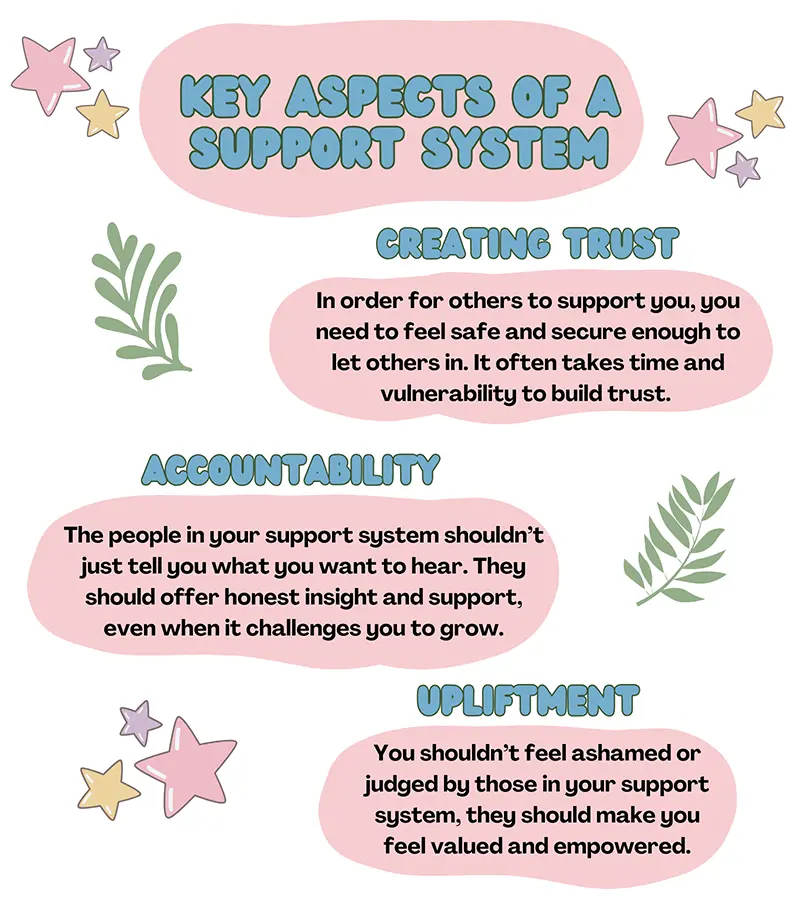
Research shows that individuals with strong support systems are more likely to experience lower levels of stress and anxiety. For instance, studies indicate that social connections can enhance coping mechanisms, leading to improved mental health outcomes. Engaging with supportive communities can also help reduce feelings of isolation and loneliness.
How to Build Your Support System
Creating a robust support system involves identifying individuals and resources that can provide assistance during difficult times. Start by reaching out to friends and family members who are understanding and willing to listen. Additionally, consider joining support groups or community organizations that align with your interests and experiences.
For example, local mental health organizations often offer group therapy sessions, workshops, and events where you can meet others facing similar challenges. These connections not only provide emotional support but also foster a sense of belonging and acceptance, particularly for individuals in minority groups seeking understanding.
The Role of Professional Counseling in Support Systems
Professional counseling plays a pivotal role in enhancing an individual's support system. Therapists and counselors provide a safe space for individuals to explore their feelings, develop coping strategies, and address mental health concerns. This professional guidance can be particularly beneficial for those who may feel uncomfortable discussing their issues with friends or family.
Moreover, counselors can connect clients with additional resources, such as support groups or community services, further enriching their support network. By engaging in therapy, individuals not only gain valuable insights into their mental health but also learn how to cultivate and maintain healthy relationships with others.
Recognizing and Addressing Loneliness
Loneliness can significantly impact mental health, making it essential to recognize its signs and seek help. Individuals may feel lonely even in the presence of others, often due to a lack of meaningful connections. Acknowledging these feelings is the first step toward building a more fulfilling support system.
Strategies for combating loneliness include reaching out to others, participating in social activities, or seeking professional help. Engaging in community events or volunteering can also create opportunities to meet new people and foster connections that alleviate feelings of isolation.