
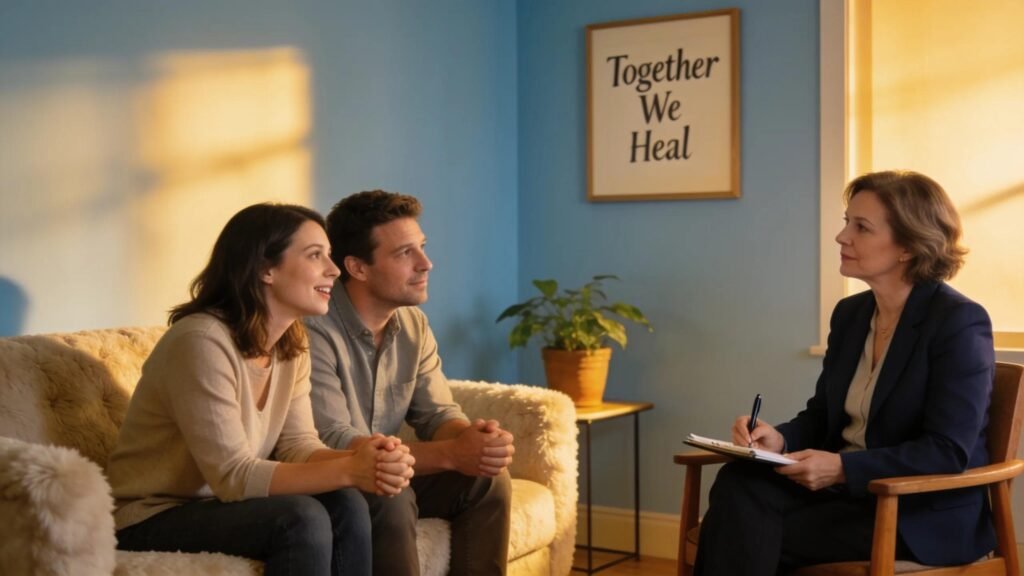
Navigating Relationship Conflict: When to Consider Couples Counseling
By Diana Salazar, Sunshine State Counseling Center
Navigating relationship conflict can be a daunting experience, often leading partners to question the stability of their bond. Couples counseling offers a pathway to healing and understanding in these challenging times. This article explores the factors that signal when couples should seek professional help, as well as the potential benefits of therapy in fostering deeper connections. Readers who are grappling with consistent disagreements will find valuable insights into identifying red flags indicating the need for counseling and understanding how a counselor can facilitate important conversations. From recognizing signs of distress to selecting the right therapist, the journey to improved relational health can be transformative.
When to Consider Couples Counseling:
Understanding when to seek couples counseling is crucial for preventing minor issues from escalating into significant challenges. Couples often hesitate to pursue counseling, fearing they might appear weak or that it signifies relationship failure. However, acknowledging the need for assistance is a brave step towards healing. Recognizing specific signs can help partners determine when professional intervention is necessary.
Key Signs Indicating the Need for Counseling:
Several key indicators suggest that a couple could benefit from counseling. These signs can include:
- Persistent Communication Issues: Struggling to openly express feelings or resolve conflicts amicably may hint at deeper issues needing attention.
- Recurring Arguments: If partners find themselves in the same disputes repeatedly without resolution, it may signal entrenched patterns that require external guidance.
- Emotional Disconnect: Feeling isolated or emotionally distant from one another are critical red flags to address immediately.
- Trust Erosion: Damage to trust, whether through infidelity or broken promises, often necessitates professional help to navigate healing.
- Considering Separation: If the idea of separation or divorce emerges, counseling could provide clarity and direction.
- Stress from Major Life Changes: Transitions such as job loss, moving, or having children can strain a relationship, indicating the need for support.
- Roommate Dynamics: Feeling more like friends or roommates than romantic partners may suggest that reconnecting through therapy could be beneficial.
Potential Benefits of Seeking Help:
Engaging in couples counseling can yield numerous advantages for partners looking to mend their relationship. These benefits include:
- Enhanced Communication: Couples can learn to express their needs and emotions effectively, fostering a healthier dialogue.
- Reinforced Emotional Connection: Therapy can help partners rediscover intimacy and emotional bonds that may have weakened over time.
- Improved Conflict Resolution Skills: Counseling equips partners with tools to handle disputes constructively rather than destructively.
- Rebuild Trust and Intimacy: It offers strategies to restore trust and connection, essential for a thriving relationship.
- Clarity on Relationship Goals: Couples can clarify their intentions—whether to strengthen their bond or to consider separation thoughtfully.
The integration of therapy into a couple’s routine promotes a supportive environment where both partners can grow closer. For those considering online couples counseling, Supportive Space Counseling Center offers a free consultation to facilitate initial engagement.
Guidance on Selecting the Right Counselor:
Choosing the right counselor is essential for effective therapy. Couples should consider the following when searching for a provider:
- Understanding Specializations: Look for counselors who specialize in relationship therapy to ensure they have relevant expertise.
- Therapeutic Approaches: Familiarize yourself with different counseling methods, such as Emotionally Focused Therapy or the Gottman Method, to find a suitable fit.
- Trial Sessions: Scheduling initial consultations can help assess comfort levels and therapeutic styles before committing to a provider.
Understanding Relationship Conflict: What's Normal vs. What's Not
All couples experience conflict; differentiating between healthy and harmful patterns is crucial for a sustainable relationship.
All Couples Disagree — The Difference Between Healthy and Harmful Conflict
Healthy conflict involves respectful discussions aimed at finding resolutions. It is characterized by open communication, willingness to listen, and seeking to understand each other’s perspectives. In contrast, harmful conflict involves shouting, belittlement, or avoidance, which can create emotional damage and distance.
When Conflict Becomes a Pattern
When couples repeatedly engage in the same arguments without reaching resolution, it can indicate an unhealthy cycle. Understanding these patterns often requires introspection and the ability to recognize how unresolved issues interact. Seeking counseling can provide couples with clarity on these dynamics, enabling them to confront underlying problems.
7 Signs You May Need Couples Counseling

Understanding clear signs that counseling may be necessary can save couples from prolonged distress. Here are pivotal indicators:
Sign 1: Communication Has Broken Down
Communication lies at the heart of any relationship, and when it falters, so does the bond. If partners find themselves frequently misinterpreting each other’s words or feeling unheard, this breakdown can create significant relational distance. Engaging in couples counseling can instill active listening practices and teach effective expression methods, helping restore clear communication.
Sign 2: The Same Arguments Keep Repeating
Recurrent disputes hint at unresolved underlying issues that need addressing. Couples might focus on surface-level disagreements while neglecting the core issues fueling repeated conflicts. Therapy can guide couples in uncovering these root causes and developing strategies to overcome them.
Sign 3: Emotional or Physical Intimacy Has Declined
A noticeable decline in intimacy often points to deeper emotional concerns within a relationship. Couples coaching can provide the tools needed to discuss intimacy openly, navigate fears, and explore ways to reconnect on a physical and emotional level.
Sign 4: Trust Has Been Damaged
Trust issues, often stemming from betrayal or dishonesty, need careful handling to rebuild. Counselors can propose actionable steps to address violations of trust and promote transparent communication, facilitating the healing necessary to restore faith in the relationship.
Sign 5: You're Considering Separation or Divorce
When partners begin contemplating separation, it’s a serious matter that deserves attention. Counseling can help couples clarify their feelings and make measured decisions instead of emotional, rash choices.
Sign 6: Major Life Transitions Are Straining the Relationship
Life events such as relocating, job changes, or welcoming new family members can add pressure to partnerships. Support through counseling can help couples adapt to these changes while ensuring that their bond remains intact.
Sign 7: You Feel More Like Roommates Than Partners
When partners feel they are cohabiting rather than engaging in a romantic relationship, it can signify a need for intervention. Therapy can guide couples in rediscovering their connection and fostering shared experiences that enhance intimacy.
How Couples Counseling Works
Understanding the mechanics of couples counseling can demystify the process and encourage participation.
Common Approaches: Gottman Method, Emotionally Focused Therapy, Imago Therapy
Counseling can take several forms, each employing distinct methodologies aimed at fostering connection. The Gottman Method focuses on enhancing communication and conflict resolution with research-backed strategies. Emotionally Focused Therapy emphasizes emotional bonding while addressing attachment issues, and Imago Therapy centers around how past experiences influence present relationship dynamics. The effectiveness of these approaches often depends on the unique needs of the couple.
What to Expect in Your First Session
The first counseling session typically involves setting expectations. Couples may be asked to share their story, express their hopes for therapy, and outline specific goals. Establishing a safe space for open dialogue is essential for any productive session.
How Long Does Couples Therapy Take?
The duration of couples therapy varies based on individual circumstances. Generally, couples can expect to attend sessions for anywhere between 8-12 weeks, though some may require more extended support. Progress will depend on factors such as commitment, the complexity of issues, and engagement in therapeutic exercises outside sessions.
The Benefits of Relationship Therapy

Couples counseling serves as a valuable resource in various ways, fostering not only the health of the relationship but promoting personal growth as well.
Improved Communication Skills
One of the primary benefits of relationship therapy is the acquisition of superior communication techniques. Couples learn how to articulate thoughts and emotions clearly, which leads to reduced misunderstandings and strengthens their bond.
Deeper Emotional Connection
Counseling sessions often create a safe environment where couples can openly discuss their emotions, fears, and desires. This practice enhances mutual understanding, thereby deepening emotional connections that might have dwindled over time.
Healthier Conflict Resolution
Therapy equips couples with conflict resolution strategies, enabling them to address disputes while maintaining respect for one another. This skillset fosters an environment where challenges can be viewed as opportunities for growth rather than threats to the relationship.
Rebuilding Trust and Intimacy
Therapy offers frameworks to repair damaged trust and rebuild intimacy through guided discussions and trust-building exercises, which are integral for a robust relationship.
Clarifying Whether to Stay Together or Separate
Many couples find clarity on their relationship outcomes through therapy, allowing them to explore whether to stay together or amicably part ways. Counselors help partners assess the health of their relationship and facilitate informed decision-making.
Does Couples Counseling Work? What the Research Says
The effectiveness of couples counseling often hinges on several factors, including the commitment of both partners to the process and their readiness for change.
Success Rates and Factors That Predict Improvement
Research indicates that couples who engage in counseling experience improved relational satisfaction. Studies show that approximately 70% of couples report positive outcomes, particularly when both individuals are committed to the therapeutic process and open to change.
When Both Partners Are Committed to Change
For therapy to be effective, each partner must be willing to participate actively. Commitment from both individuals increases the likelihood of success, catalyzing positive change and growth within the relationship.
Finding Couples Counseling in Fort Myers and Bonita Springs
When seeking local couples counseling, exploring available resources is essential to finding the right fit for your needs.
Supportive Space Counseling Center provides comprehensive services tailored for couples, including online counseling options that can be more accessible to busy partners. They offer a free consultation to help couples assess their situation and decide on the best path forward.
What to Look for in a Couples Therapist
Selecting a qualified therapist can significantly impact the efficacy of counseling. Here are critical factors to consider while searching for a counselor:
- Qualifications and Experience: Ensure the therapist is licensed and has specific training in couples therapy.
- Therapeutic Approaches and Compatibility: It can be beneficial to find a therapist whose approach aligns with your needs and values.
- Questions to Ask During Selection: Prioritize finding a counselor who encourages questions and shows genuine understanding of your concerns while offering professional protocols to address them.
Couples Counseling at Supportive Space Counseling Center
Supportive Space Counseling Center specializes in various mental health services, focusing on supporting individuals, families, and couples in navigating life’s adversities. They emphasize accessibility and affordability, offering dedicated couples counseling services to help partners repair and strengthen their relationships. Their commitment includes a free consultation, allowing couples to start their journey toward healing with personalized guidance.