
What Is EMDR and Play Therapy? Understanding Benefits for Children and Families
Eye Movement Desensitization and Reprocessing (EMDR) and Play Therapy are two therapeutic approaches that have garnered attention for their effectiveness, particularly for children navigating emotional and psychological challenges. EMDR utilizes structured techniques to help individuals process trauma, while Play Therapy aligns with children’s natural modes of expression through play. As families increasingly seek solutions to mental health struggles, understanding these therapies is essential. This article will explore the mechanisms, effectiveness, and overall benefits of EMDR and Play Therapy for children, families, and couples. Additionally, we will discuss how Supportive Space Counseling Center integrates these methods into their online mental health services, enhancing accessibility for families in New Jersey.
What Is EMDR Therapy and How Does It Support Children?
EMDR therapy is a specialized psychological treatment developed to alleviate the distress associated with traumatic memories. This therapy employs techniques that involve guided eye movements, helping children reprocess and integrate traumatic experiences into their understanding of the world. The therapeutic aim is not only to reduce the emotional charge of traumatic memories but also to foster resilience and emotional recovery. For children dealing with trauma, EMDR serves as a vital tool to support their healing journey.
How Does EMDR Address Trauma in Children?
EMDR addresses trauma in children through a structured process that encourages them to articulate their feelings and experiences while engaging in bilateral stimulation, such as guided eye movements. This method enables children to process their emotional responses to distressing events effectively. As they revisit traumatic memories in a safe, therapeutic environment, the dual focus on memory and physical stimuli allows for reprocessing these experiences, leading to a reduction in anxiety and other trauma-related symptoms. Children often find that this approach helps them verbalize emotions they may struggle to express, facilitating a deeper understanding of their feelings.
What Evidence Supports EMDR Effectiveness for Child Trauma Recovery?
The effectiveness of EMDR for child trauma recovery is well-documented in numerous research studies. For instance, clinical trials demonstrate that children receiving EMDR show significant improvements in their psychological well-being, with many experiencing a reduction in PTSD symptoms. A comprehensive analysis of the evidence indicates treatment success rates exceeding 70% to 90% in various cases, making EMDR a highly regarded option for addressing trauma and its associated emotional fallout among young individuals.
What Are Play Therapy Techniques and Their Role in Child Development?

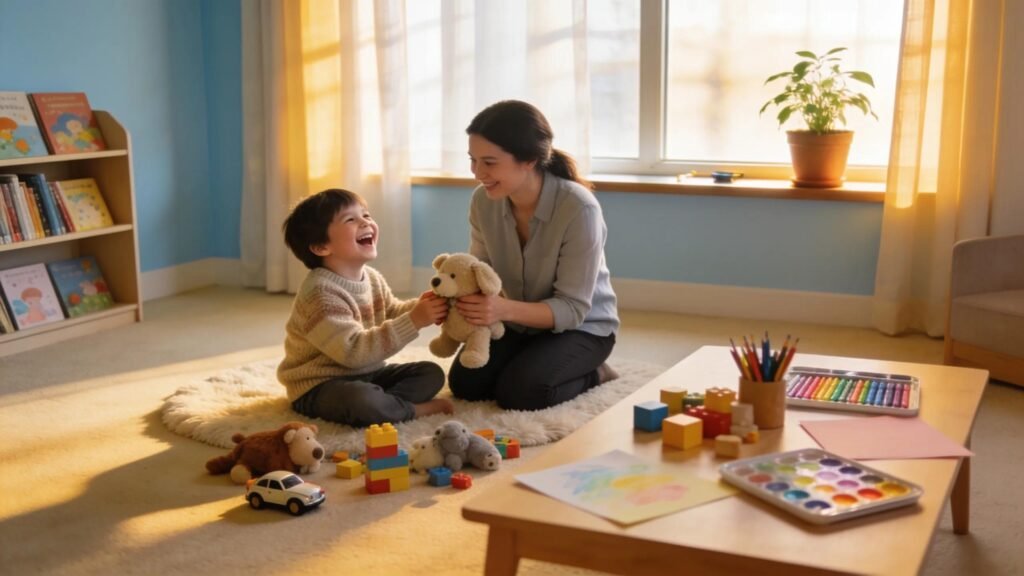
Play Therapy is an expressive therapy that uses play as a medium for children to communicate and explore their thoughts and feelings. This form of therapy is particularly effective for younger children who may lack the verbal skills to articulate their emotions. Play Therapy encourages children to express themselves through toys and creative activities, allowing therapists to gain insights into their inner worlds and emotional challenges. The therapeutic relationship established during these sessions fosters a sense of safety and support, enhancing emotional development.
Which Play Therapy Methods Facilitate Emotional Regulation in Children?
Various Play Therapy methods facilitate emotional regulation in children by utilizing therapeutic games, role-playing, and art activities. For instance, therapeutic games can help children navigate complex emotions or social situations in a controlled, playful context. Creative tools like puppets or art supplies allow for self-expression and exploration, offering children alternative means to communicate their feelings. Incorporating these methodologies not only aids in emotional processing but also encourages children to build resilience and develop coping skills essential for their emotional development.
Play Therapy’s Impact on Children’s Social-Emotional Skills
Play therapy is one of the successful strategies to help children with inner conflicts problems. This method of psychotherapy is base on the normal learning processes of children, provides solutions to relieve feelings of stress, and expands self-expression. Group play therapy can enhance the self-awareness, self- regulation, social communication, empathy and adoptability in children. The effect of group play therapy on social-emotional skills in pre-school children, 2013
Studies show that play therapy helps children relieve stress and expand self-expression, thereby enhancing self-awareness and emotional regulation.
How Does Play Therapy Complement Traditional Counseling for Children?
Integrating Play Therapy with traditional counseling enhances therapeutic outcomes for children. While conventional methods may focus on verbal exchanges, Play Therapy introduces a creative dynamic that engages children’s imaginations and playfulness. This dual approach allows therapists to address underlying emotional issues more effectively, as children feel more comfortable and willing to share through tangible interactions. Moreover, the inclusion of family members in Play Therapy sessions fosters improved communication and understanding, further supporting the child’s emotional healing journey.
Understanding EMDR and Play Therapy: Benefits for Families

Both EMDR and Play Therapy offer substantial benefits not only for the individual child but also for families and couples facing emotional challenges. These therapies promote emotional healing within families by fostering open communication and understanding. For couples, engaging in therapy together can strengthen their relationships while addressing underlying issues stemming from trauma or emotional distress.
How Do These Therapies Promote Family Emotional Healing?
The emotional healing promoted by these therapies stems from the collaborative nature of the treatment process. When families participate in therapy together, they learn to recognize and validate each other’s feelings, fostering empathy and support within the family unit. EMDR helps family members understand the impacts of trauma, while Play Therapy provides tools for children to communicate their experiences. Together, they facilitate discussions that may have previously been difficult, allowing for shared healing and growth.
How Does Online Mental Health Counseling Enhance Access to EMDR and Play Therapy?
As teletherapy becomes increasingly widespread, it offers unique benefits in accessing EMDR and Play Therapy for families. The comfort and privacy of online sessions make it easier for families to engage in therapy without the stressors typically associated with in-person visits. This model reduces travel-related barriers and allows for flexible scheduling, thus accommodating the busy lives of families with children.
What Are the Advantages of Teletherapy for Children and Families in New Jersey?
Teletherapy presents several advantages specifically for families in New Jersey. First, it provides greater accessibility for individuals in rural areas who may have limited access to mental health resources. Second, it eliminates transportation challenges, making it easier for children to participate in therapy sessions from the comfort of their homes. Lastly, teletherapy enhances the availability of diverse specialists, allowing families to seek the most suitable therapeutic approaches for their needs.
How Does Free Consultation Facilitate Connection to Counseling Services?
At Supportive Space Counseling Center, the marketing strategy includes offering free consultations as an essential element of the initial engagement process. This consultation provides families an opportunity to discuss their needs, understand the therapy process, and determine the best therapeutic fit for their situation. Ensuring that potential clients feel comfortable seeking help lays the foundation for ongoing therapeutic success.
What Are Affordable and Accessible Mental Health Options for Children and Families in New Jersey?
Accessibility and affordability are critical when considering mental health counseling for children and families. Many potential clients may feel deterred by high costs or limited availability of services tailored to their needs. Thus, understanding the various options available to families can significantly impact their ability to seek help.
How Does Supportive Space Counseling Center Ensure Low-Cost Therapy Solutions?
Supportive Space Counseling Center adopts various strategies to ensure low-cost therapy solutions are available for families. By offering free consultations, the center enables families to engage with services and explore affordability options. Additionally, Supportive Space Counseling Center collaborates with insurance providers to ensure that clients receive necessary support while minimizing out-of-pocket expenses. Community engagement efforts are also in place to further expand access to their mental health services, making professional support a viable option for all families regardless of financial constraints.
What Frequently Asked Questions Do Clients Have About EMDR and Play Therapy?
Clients often have numerous inquiries about how EMDR and Play Therapy fulfill therapeutic needs for children. Addressing these questions helps demystify the processes involved and clarifies expectations for families seeking support.
How Does EMDR Work Specifically for Children’s Trauma?
EMDR specifically helps children by using age-appropriate adaptations of the standard therapy protocol. Through supportive guidance, children are encouraged to focus on their distressing memories, while a therapist employs bilateral stimulation techniques to facilitate emotional processing. This structured approach enables positive reconstruction of traumatic memories and empowers children with coping strategies that enhance resilience.
What Are the Expected Outcomes of Play Therapy for Child Behavioral Issues?
Expected outcomes of Play Therapy often include significant improvements in behavioral issues, emotional regulation, and interpersonal skills. Parents frequently observe enhanced emotional expression, better communication, and more effective coping strategies following therapy sessions. Clients are encouraged to assess their children’s progress and seek further sessions if challenges persist, emphasizing the importance of ongoing support throughout the therapeutic journey.
What Recent Research and Statistics Support the Use of EMDR and Play Therapy?
Recent research continues to validate the effectiveness of EMDR and Play Therapy in addressing various mental health challenges among children. Key statistics indicate rising acceptance within the field of pediatric therapy, making these approaches more mainstream and sought-after.
What Do Recent Studies Reveal About Therapy Effectiveness?
Studies conducted between 2020 and 2023 have demonstrated that EMDR therapy significantly reduces rates of PTSD symptoms in children, with outcomes such as up to 90% of participants reporting a decrease in emotional distress within the first couple of months. Concurrent findings in Play Therapy similarly show marked improvements in emotional regulation and social skills for young clients, reinforcing the importance of these therapeutic methods.
How Do National Mental Health Statistics Inform Therapy Demand?
National mental health statistics reveal a surge in demand for effective therapy options, especially for children facing emotional struggles. Reports suggest an increase in referrals to EMDR and Play Therapy, prompting mental health providers to expand their service offerings. The rising acknowledgment of trauma’s impact on child development is driving families to seek therapeutic solutions more actively.
How Can Families Initiate Counseling Services at Supportive Space Counseling Center?
Initiating counseling services at Supportive Space Counseling Center is designed to be straightforward and accessible for families. Knowing the steps involved helps alleviate any apprehension about seeking help and encourages families to take proactive measures toward emotional wellness.
What Steps Are Involved in Scheduling a Free Online Consultation?
To schedule a free online consultation, families can easily reach out to Supportive Space Counseling Center via their website or by phone. The initial step involves providing details about their specific needs, allowing the center to match them with appropriate therapists. Families can prepare by reflecting on any questions they wish to ask during the consultation, facilitating a productive first interaction and a clearer path to therapy engagement.
What Should Clients Expect During Initial Counseling Sessions?
During initial counseling sessions, clients can expect a warm and welcoming environment where their concerns are heard and understood. Therapists will guide families through the process, engage them in therapeutic activities, and involve parents in discussions regarding goals and expectations. Transparency during these sessions is key, ensuring families feel supported and informed throughout their therapeutic journey.
Different therapeutic approaches enhance emotional and psychological resilience for children and families seeking support. EMDR provides critical trauma recovery pathways, while Play Therapy fortifies emotional expression. Together, they create a comprehensive framework for healing and growth. By accessing affordable online services through Supportive Space Counseling Center, families are empowered to embrace these beneficial therapies, paving the way towards emotional well-being and stronger familial bonds.