
Play Therapy for Children: A Parent's Guide
Play therapy is a structured, evidence-based approach where trained therapists at centers like Sunshine State Counseling Center in Fort Myers, Florida use play as a child’s natural language to process emotions, trauma, and behavioral challenges. Sessions typically last 30–50 minutes, and parents receive progress updates to support healing at home.
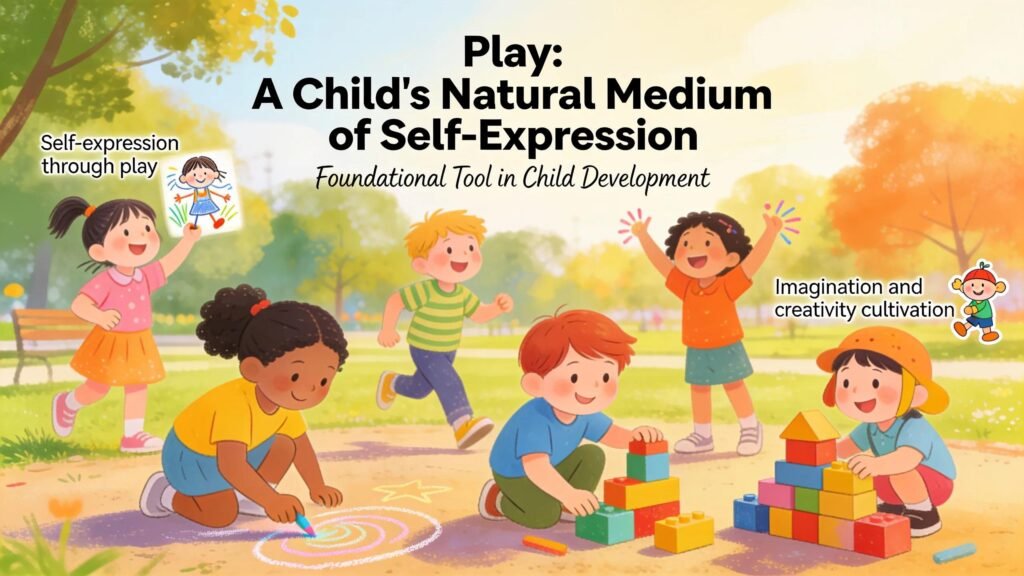
Play therapy uses a child’s natural medium of self-expression — play. To help kids process emotions, build coping skills, and navigate challenges. At Sunshine State Counseling Center, our clinicians incorporate play therapy alongside art therapy. Sand tray therapy, creating a structured, evidence-based environment where children communicate and heal through purposeful, guided play.
Key Takeaways
Play therapy uses toys as therapeutic tools, helping children communicate before mastering verbal expression.
Children develop decision-making and social skills through play long before speaking their first word.
Trained mental health professionals guide structured play sessions to address specific emotional and behavioral challenges.
Parents who understand play therapy’s 2 core goals—expression and healing—become stronger partners in treatment.
Play therapy uses toys as therapeutic tools, helping children communicate before mastering verbal expression.
Children develop decision-making and social skills through play long before speaking their first word.
Trained mental health professionals guide structured play sessions to address specific emotional and behavioral challenges.
Parents who understand play therapy’s 2 core goals—expression and healing—become stronger partners in treatment.
Why Does Play Therapy Matter for Children?
What is play therapy establishes a foundational principle: play is the child’s natural medium of self-expression, making structured therapeutic play one of the most clinically grounded approaches to child mental health care. Children who lack access to this modality risk missing opportunities for emotional processing, decision-making, and social development.
Play supports and improves mental, physical, social, and emotional well-being simultaneously. Children develop the capacity to express themselves, make decisions, and interact with others through play. Often before they acquire the verbal language to describe their inner experiences. When that developmental pathway goes unsupported, emotional difficulties compound over time.
Play therapy benefits span multiple domains of a child’s functioning:
Emotional regulation: Children externalize feelings through play that they cannot yet articulate in words
Social development: Structured play builds the interpersonal skills children carry into peer and family relationships
Decision-making: Play environments present low-stakes choices that strengthen a child’s sense of agency
Mental and physical well-being: Play addresses the whole child, not a single symptom in isolation
Emotional regulation: Children externalize feelings through play that they cannot yet articulate in words
Social development: Structured play builds the interpersonal skills children carry into peer and family relationships
Decision-making: Play environments present low-stakes choices that strengthen a child’s sense of agency
Mental and physical well-being: Play addresses the whole child, not a single symptom in isolation
How Does Play Therapy Differ From Traditional Talk Therapy for Children?
Traditional talk therapy relies on verbal communication as its primary mechanism. Children, however, develop expressive and social capacities through play long before language becomes a reliable tool. Play therapy meets children at their developmental level, using the therapeutic relationship. Structured play as the vehicle for healing rather than conversation alone.
What Does Play Therapy Look Like at Sunshine State Counseling Center?
Play therapy Fort Myers families access at Sunshine State Counseling Center integrates evidence-based modalities — including Play Therapy for Children in Fort Myers, FL — within a confidential, nonjudgmental environment. Our clinicians design individualized treatment plans that honor each child’s unique developmental needs and therapeutic goals.
What Is Play Therapy and How Does It Work?
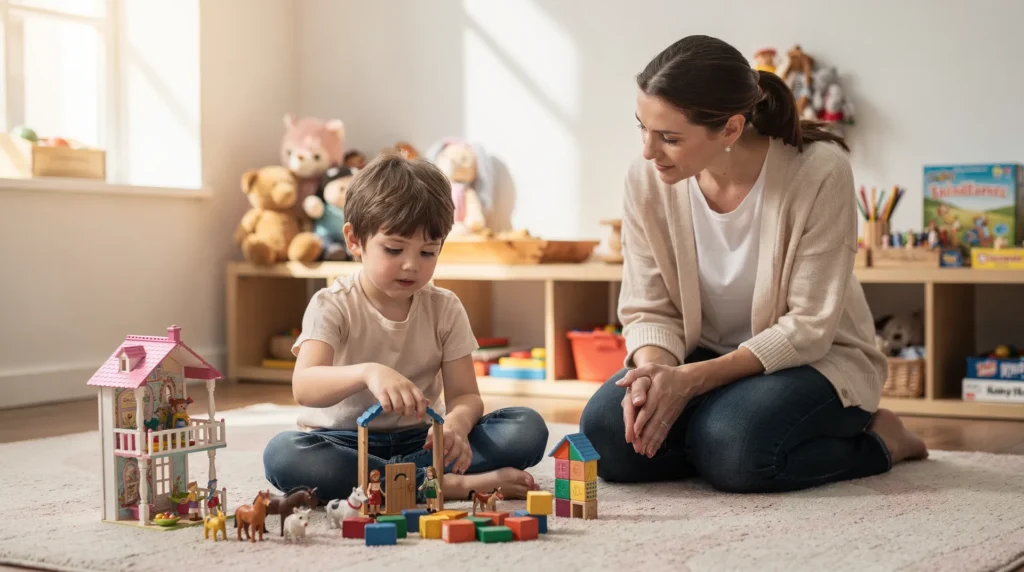
What is play therapy? Play therapy is a specialized modality of child therapy in which licensed mental health professionals use play therapeutically to help young clients process their experiences, emotions, and challenges. Children who lack access to this structured, clinically guided approach risk carrying unresolved emotional burdens that interfere with development, behavior, and academic performance.
Play therapy operates on a foundational principle: play is a child’s natural medium of self-expression. A trained mental health professional guides each session, creating a structured environment where children communicate through play rather than verbal dialog alone. This approach addresses cognitive, behavioral, and emotional challenges that children may struggle to articulate in traditional talk therapy.
At Sunshine State Counseling Center, play therapy fort myers families rely on is integrated alongside art therapy, sand tray therapy, and traditional counseling. Together, these modalities form a comprehensive, supportive environment designed to meet each child’s unique therapeutic needs.
What are the play therapy benefits for children?
The play therapy benefits extend across multiple developmental domains. Because play is the primary language of childhood, therapy delivered through this medium reduces resistance and increases engagement. Children process difficult experiences — including trauma, anxiety, and behavioral challenges — within a safe, nonjudgmental clinical setting.
Key benefits include:
Emotional processing: Children externalize internal experiences through structured play, making feelings accessible and workable
Behavioral development: Licensed clinicians observe and guide behavioral patterns as they emerge naturally during sessions
Cognitive growth: Play-based interventions support problem-solving, decision-making, and adaptive thinking skills
Emotional processing: Children externalize internal experiences through structured play, making feelings accessible and workable
Behavioral development: Licensed clinicians observe and guide behavioral patterns as they emerge naturally during sessions
Cognitive growth: Play-based interventions support problem-solving, decision-making, and adaptive thinking skills
How does a play therapy session work?
Each session takes place in the presence of a trained mental health professional who observes, guides. Responds to the child’s play. The clinician uses therapeutic techniques to help the child process experiences that verbal communication alone cannot reach. Sessions are structured yet child-centered, ensuring the therapeutic environment remains both clinically effective and emotionally safe.
What Are the Core Play Therapy Benefits?
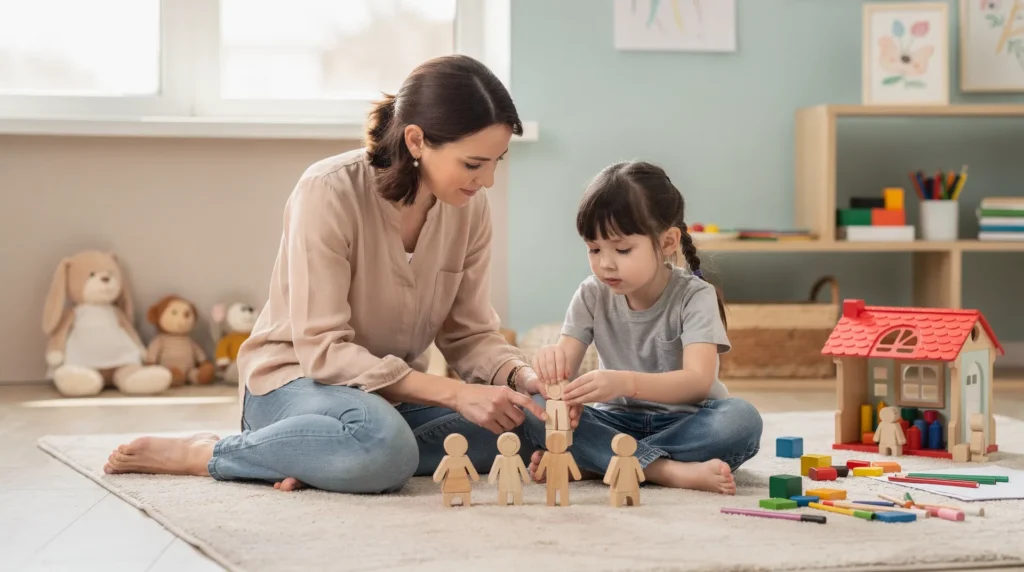
Play therapy benefits children by building coping skills, processing difficult emotions, and supporting healthy development through a medium that feels natural to young minds. Children who do not receive structured therapeutic support risk falling behind in emotional regulation and social functioning — gaps that compound over time.
Philosophers across history have recognized play as a powerful agent of growth and change. Leading mental health professionals now widely acknowledge that play is a vitally important contributor to a child’s overall wellbeing. At Sunshine State Counseling Center, our clinicians apply this evidence-based understanding directly within our play therapy Fort Myers practice.
What Is Play Therapy, and Who Does It Serve?
What is play therapy is one of the most common questions families bring to our intake process. Play therapy is a structured, clinically guided approach that uses play as the primary medium for children to express emotions, develop coping skills, and navigate challenges. Research identifies preschool and school-age children as the primary population for whom play therapy functions effectively as both a preventive and treatment-oriented intervention.
What Specific Benefits Does Play Therapy Provide?
Play therapy delivers measurable developmental and emotional outcomes across several domains:
Emotional expression: Children communicate feelings through play before they can articulate them verbally, reducing the risk of internalized distress.
Coping skill development: Structured play sessions equip children with practical strategies for managing anxiety, behavioral challenges, and life transitions.
Natural engagement: Because play is the child’s native language, therapeutic progress occurs within a framework that does not feel clinical or intimidating.
Prevention and early intervention: Play therapy addresses emerging difficulties before they escalate into more entrenched mental health concerns.
Emotional expression: Children communicate feelings through play before they can articulate them verbally, reducing the risk of internalized distress.
Coping skill development: Structured play sessions equip children with practical strategies for managing anxiety, behavioral challenges, and life transitions.
Natural engagement: Because play is the child’s native language, therapeutic progress occurs within a framework that does not feel clinical or intimidating.
Prevention and early intervention: Play therapy addresses emerging difficulties before they escalate into more entrenched mental health concerns.
Families in Fort Myers and Bonita Springs who observe signs of emotional difficulty in their children. Including anxiety, behavioral changes. Trouble expressing feelings — are encouraged to contact our team to discuss whether play therapy is the appropriate next step.
Which Children Are Best Suited for Play Therapy?
Play therapy fort myers families seek most often serves children experiencing life transitions, emotional dysregulation, trauma, and behavioral challenges. Children who lack the verbal capacity to articulate distress — a developmental reality for most young clients — lose critical healing time when therapy relies solely on talk-based methods.
At Sunshine State Counseling Center, our clinicians identify strong candidates for what is play therapy intervention based on the following presenting concerns:
Life transitions: divorce, loss of a loved one, or relocation
Emotional difficulties: trouble identifying, expressing, or managing feelings
Behavioral challenges: aggression, defiance, or withdrawal at home or school
Academic struggles: difficulty concentrating or declining school performance
Childhood trauma and adverse childhood experiences (ACEs): events that disrupt a child’s sense of safety and stability
Life transitions: divorce, loss of a loved one, or relocation
Emotional difficulties: trouble identifying, expressing, or managing feelings
Behavioral challenges: aggression, defiance, or withdrawal at home or school
Academic struggles: difficulty concentrating or declining school performance
Childhood trauma and adverse childhood experiences (ACEs): events that disrupt a child’s sense of safety and stability
Children navigating trauma and Postpartum Depression Therapy in Fort Myers, FL benefit because playtime functions as a natural entry point for healing. The play environment removes the pressure of verbal disclosure, allowing children to process difficult experiences through a medium that feels safe and familiar.
How do parents know if their child needs play therapy?
Observable signs include persistent anxiety, sudden behavioral changes, emotional outbursts disproportionate to the situation, and withdrawal from peers or family. When these patterns interfere with daily functioning at home or school, a professional evaluation is the appropriate next step.
What are the play therapy benefits for children in transition?
Play therapy benefits children in transition by providing a structured, nonjudgmental space to process grief, confusion, and fear without requiring adult-level verbal articulation. Research supports play therapy as an effective modality for preventing and addressing a broad range of childhood difficulties, making early intervention a measurable advantage for long-term emotional health.
How Do Therapists Personalize Each Child's Treatment Plan?
At Sunshine State Counseling Center, therapists personalize each child’s treatment plan by assessing the child’s personality, specific challenges. Therapeutic goals before a single session begins. Children who receive mismatched treatment lose critical developmental windows for building coping skills. Making individualized planning a clinical necessity, not a preference.
Sunshine State Counseling Center offers four core modalities, each selected based on what best fits the individual child:
Play therapy Fort Myers families access through our practice uses structured play as the child’s natural language for processing emotion and experience
Art therapy provides a nonverbal outlet for children who struggle to articulate feelings through conversation
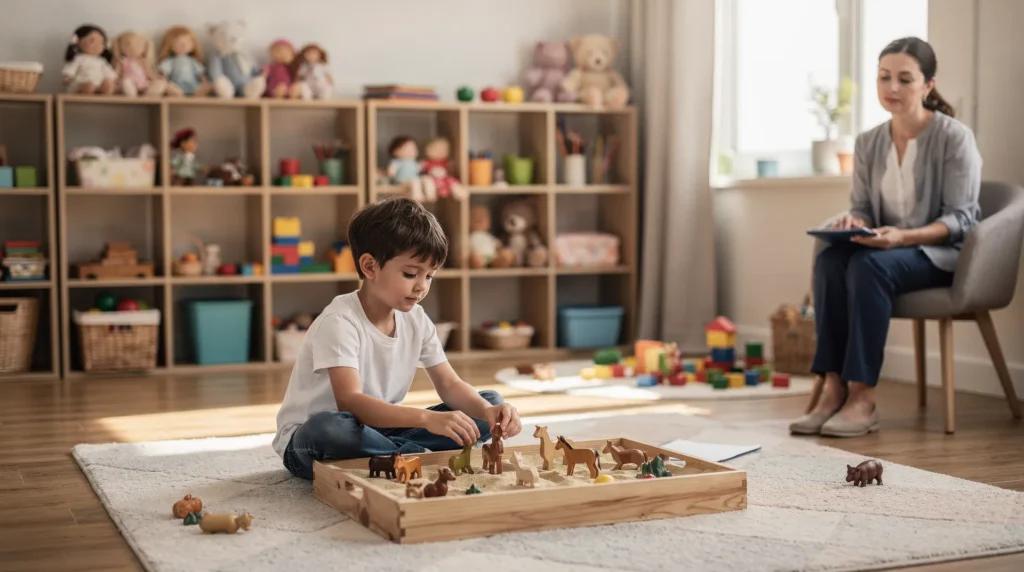
Sand tray therapy allows children to construct and examine their inner world through symbolic, tactile expression
Traditional counseling supports older children and adolescents who are developmentally ready for direct dialog
Play therapy Fort Myers families access through our practice uses structured play as the child’s natural language for processing emotion and experience
Art therapy provides a nonverbal outlet for children who struggle to articulate feelings through conversation
Sand tray therapy allows children to construct and examine their inner world through symbolic, tactile expression
Traditional counseling supports older children and adolescents who are developmentally ready for direct dialog
No single modality serves every child. Clinicians evaluate each case and select the approach — or combination of approaches. That aligns with the child’s age, temperament, and presenting concerns.
What is play therapy, and why do clinicians recommend it for children?
What is play therapy is one of the most common questions families ask at intake. Play therapy is a structured, evidence-based clinical approach that uses play as the primary mechanism for therapeutic communication with children. Because play is a child’s natural medium of self-expression, trained therapists use it to help children process emotions and challenges they cannot yet verbalize.
What are the play therapy benefits parents should understand before starting?
Understanding play therapy benefits is an essential first step in the therapy process for parents and caregivers. When parents grasp how and why play-based methods work, they become active, informed partners in their child’s progress. This collaborative foundation strengthens treatment outcomes and supports consistency between sessions and home life.
What Should Parents Expect During Play Therapy Sessions?
Play therapy fort myers families access at Sunshine State Counseling Center follows a structured, clinician-guided process designed to support children’s emotional healing. Parents who are unfamiliar with what is play therapy often find the approach counterintuitive — and that uncertainty, left unaddressed, causes families to delay care their child needs now.
Curiosity about why a licensed mental health professional would use play as a central therapeutic mechanism is entirely natural. Sunshine State Counseling Center treats that curiosity as a productive starting point, not an obstacle. Our clinicians work within a warm, nonjudgmental environment where licensed professionals remain dedicated to each child’s healing journey from the first session forward.
Why Does a Therapist Play With My Child Instead of Talking?
Children communicate through play long before they develop the verbal capacity to articulate emotional distress. Play therapy benefits children precisely because the modality meets them where they are. Allowing kids to express emotions in a way that feels natural and engaging rather than clinical or intimidating. A trained clinician observes, guides, and interprets that play to facilitate genuine therapeutic progress.
What Will Parents Notice Between Sessions?
Parents typically observe gradual shifts in how their child manages emotions, communicates needs, and navigates relationships. Progress is incremental and individualized; no two children follow an identical trajectory.
Key elements parents can expect throughout the process include:
A structured therapeutic environment — sessions occur in a safe, consistent space designed to reduce anxiety
Licensed clinical oversight — every session is conducted by a credentialed professional
Personalized treatment planning — approaches are tailored to each child’s specific needs and presenting concerns
Bilingual availability — services are offered in both English and Spanish
A structured therapeutic environment — sessions occur in a safe, consistent space designed to reduce anxiety
Licensed clinical oversight — every session is conducted by a credentialed professional
Personalized treatment planning — approaches are tailored to each child’s specific needs and presenting concerns
Bilingual availability — services are offered in both English and Spanish
Families in Fort Myers and Bonita Springs are encouraged to contact Sunshine State Counseling Center directly to begin the intake process.
How Does Sunshine State Counseling Center Support Fort Myers Families?
Sunshine State Counseling Center provides specialized mental health support for individuals, families, children, and couples across Southwest Florida. Families who delay seeking professional care risk prolonged emotional distress, strained relationships, and developmental setbacks that compound over time.
Our clinical team delivers evidence-based services designed to meet each family member where they are. From young children navigating behavioral challenges to adults managing anxiety, depression, or trauma. Services are available in both English and Spanish. Our practice accepts insurance and self-pay to reduce financial barriers to care.
What Is Play Therapy, and Why Does It Matter for Children?
What is play therapy is one of the most common questions families bring to their first consultation. Play therapy fort myers families access at our center uses structured, therapeutic play to help children express emotions, develop coping skills, and process difficult experiences in a way that feels natural to them. Our clinicians incorporate art therapy, sand tray therapy, and play therapy modalities to create an engaging, nonjudgmental environment. Children who lack this outlet often struggle to communicate distress verbally, leaving core challenges unaddressed.
What Are the Play Therapy Benefits for Southwest Florida Families?
The play therapy benefits extend well beyond the therapy room. Children gain emotional vocabulary, improved self-regulation, and stronger coping strategies that support healthier development at home and in school. These outcomes reduce the long-term risk of escalating behavioral or emotional difficulties.
Our services are structured to fit the realities of busy family life:
Flexible scheduling, including evening and weekend appointments
Bilingual services in English and Spanish
Multiple modalities: play therapy, EMDR, art therapy, sand tray therapy, and more
Insurance and self-pay options accepted
Flexible scheduling, including evening and weekend appointments
Bilingual services in English and Spanish
Multiple modalities: play therapy, EMDR, art therapy, sand tray therapy, and more
Insurance and self-pay options accepted
Sunshine State Counseling Center maintains two accessible Southwest Florida locations to ensure families receive consistent, high-quality care close to home.
How Can Parents Take the First Step Toward Play Therapy?
Sunshine State Counseling Center makes beginning play therapy Fort Myers families need straightforward through three structured steps, a bilingual patient portal. Two accessible Southwest Florida locations. Delaying that first contact means children continue navigating emotional challenges without the evidence-based support that play therapy benefits are proven to deliver.
Sunshine State Counseling Center has designed an intake process that removes common barriers to care. Parents complete a contact form, access intake documents through the Sand Tray Therapy in Fort Myers, FL or Spanish. Follow a clear referral process — all before the first session begins.
Getting started takes three steps:
Submit a contact form through the Sunshine State Counseling Center website to initiate the intake process.
Complete intake documents via the bilingual patient portal, available in both English and Spanish.
Connect with a clinician at the Fort Myers or Bonita Springs office for an initial consultation.
Submit a contact form through the Sunshine State Counseling Center website to initiate the intake process.
Complete intake documents via the bilingual patient portal, available in both English and Spanish.
Connect with a clinician at the Fort Myers or Bonita Springs office for an initial consultation.
What Is Play Therapy, and Why Does Starting Early Matter?
Understanding what is play therapy helps parents recognize why prompt action protects a child’s developmental trajectory. Play therapy is a structured, evidence-based modality in which trained clinicians use play as the child’s natural medium of expression to address emotional, behavioral, and relational challenges. Children who do not receive timely intervention risk compounding those difficulties across developmental stages.
What Should Parents Expect During the Intake Process?
Sunshine State Counseling Center guides families through an easy, stress-free process from the first point of contact. Clinicians at both the Fort Myers and Bonita Springs offices provide personalized, compassionate care within a nonjudgmental environment. Bilingual intake materials ensure that Spanish-speaking families encounter no language barriers when accessing services.
Understanding the Fundamentals of Play Therapy
What is play therapy?
Play therapy is a specialized child therapy modality where licensed mental health professionals use structured, purposeful play to help children process emotions, build coping skills, and navigate challenges.
How does play therapy differ from traditional talk therapy?
Traditional talk therapy relies on verbal communication, but children develop expressive capacities through play before language becomes reliable. Play therapy meets them at their developmental level.
What modalities does Sunshine State Counseling Center use alongside play therapy?
Clinicians at Sunshine State Counseling Center in Fort Myers, Florida integrate play therapy with art therapy. Sand tray therapy within a confidential, nonjudgmental environment.