
What Is Sand Tray Therapy? A Creative Path to Healing
By Diana Salazar, Sunshine State Counseling Center
Sand tray therapy is a distinctive therapeutic approach that engages individuals in a non-verbal medium to express emotions and navigate complex issues through the creation of symbolic scenes using miniature figures and sand. This creative form of therapy offers a safe and structured therapeutic environment for clients, particularly those who struggle to articulate their feelings. The act of constructing scenes allows participants to explore their inner worlds, enabling them to confront various emotional challenges without the constraints of traditional talk therapy. In this article, we will delve into the origins, mechanisms, and numerous benefits of sand tray therapy, focusing on its efficacy across different demographics, including children, teens, and adults.
Understanding Sand Tray Therapy
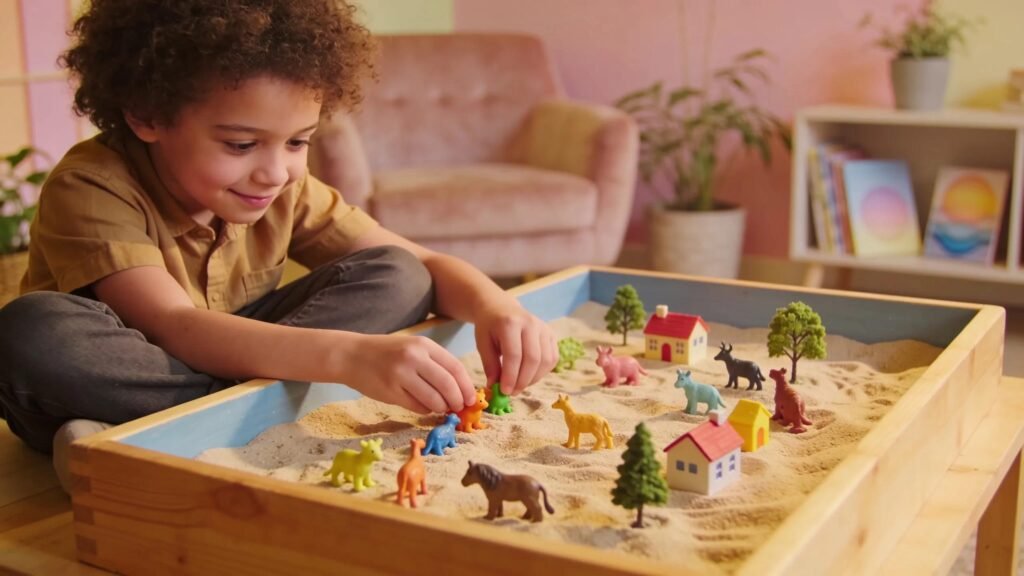
Sand tray therapy combines creativity and psychology, using a physical sandbox, miniatures, and sand as tools for expression and therapy. It allows clients to create meaningful representations of their thoughts and feelings through the act of play, which can be particularly beneficial for those who find verbal communication challenging. This therapeutic approach fosters a unique environment where clients can engage with and gain insight into their emotions and experiences.
The Origins of Sand Tray Therapy: Margaret Lowenfeld and Dora Kalff
The roots of sand tray therapy can be traced back to the pioneering work of Margaret Lowenfeld and Dora Kalff, who recognized the therapeutic value of artistic expression in therapy. Lowenfeld developed the “World Technique,” where children could express themselves through play and symbolic creations. Kalff later expanded upon this by integrating Jungian principles, establishing the modern practice of sand tray therapy. Together, their contributions highlight the evolution of therapy into more expressive and creative forms, acknowledging the importance of non-verbal communication in emotional healing.
How Sand Tray Therapy Differs from Traditional Talk Therapy
Sand tray therapy significantly differs from traditional talk therapy by emphasizing non-verbal expression rather than verbal dialogue. While talk therapy relies heavily on words to explore emotions and thoughts, sand tray therapy allows clients to use tangible elements to represent their feelings. This method is especially advantageous for children and individuals who may have difficulty articulating their emotional states. The visual and tactile nature of the therapy process supports deeper connections to emotional experiences that verbal communication alone may not achieve, allowing for profound insights and healing.
How Does Sand Tray Therapy Work?
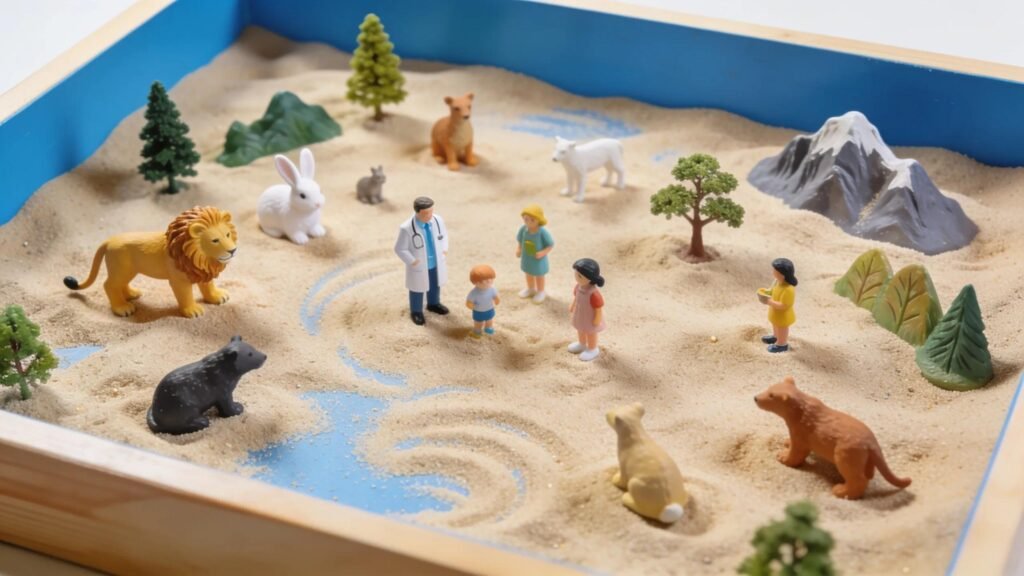
The effectiveness of sand tray therapy lies in its structured yet free-form process, encouraging self-expression and exploration. The therapy involves creating a safe, contained environment where individuals can interact with sand and miniatures to build scenes that reflect their inner thoughts and feelings.
The Sand Tray Setup: Miniatures, Sand, and a Safe Container
In a typical sand tray therapy session, clients are provided with a variety of miniatures—objects representing people, animals, or symbolic elements—and a sandbox filled with sand. This setup allows clients to create their own scenes, bringing their internal experiences to life. The variety of miniatures enhances creative possibilities, enabling clients to select figures that resonate with their emotions or experiences.
The Process: Creating Scenes Without Words
During the sand tray therapy process, individuals construct scenes using the sand and selected miniatures, enabling them to express their thoughts and emotions non-verbally. This creative act helps clients to visually articulate complex feelings or scenarios. The therapist observes and facilitates this process, encouraging clients to reflect on their creations and explore the meanings behind them. This reflective practice allows for deeper emotional processing and insight, empowering clients to understand and reframe their experiences.
The Therapist's Role: Witnessing and Exploring the Tray
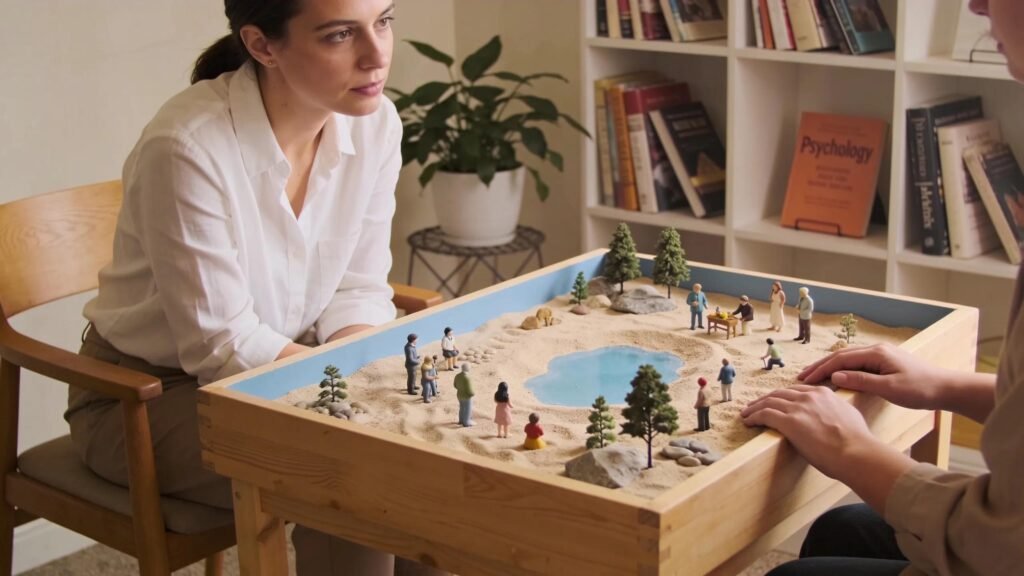
The therapist plays a crucial role in guiding the process, witnessing the client’s creative work and supporting emotional exploration. Through observation and thoughtful questioning, therapists help clients reflect on their sand tray creations. This collaborative process fosters a safe environment for clients to explore difficult emotions, providing them with support and validation as they uncover personal narratives in their sand trays.
Who Can Benefit from Sand Tray Therapy?
Sand tray therapy is versatile and can benefit a wide array of individuals, making it suitable for diverse populations, including children, adolescents, and adults.
Sand Tray Therapy for Children
For children, sand tray therapy can be particularly effective in expressing emotions and coping with trauma. The playful nature of the therapy allows children to explore complex feelings of anxiety, fear, or loss without the need for verbal expression. By creating scenes that depict their experiences, children can share their stories in a more accessible manner, aiding in emotional relief and understanding.
Sand Tray Therapy for Teens and Adolescents
Teenagers often experience emotional turmoil, and sand tray therapy provides a unique avenue for them to explore their feelings. This therapeutic approach offers a safe space to confront issues such as identity, peer pressure, and anxiety while fostering self-esteem and emotional regulation. The non-verbal nature of the therapy can encourage adolescents to open up about their struggles in ways that they might not do through traditional talk therapy.
Sand Tray Therapy for Adults
Adults can also reap the benefits of sand tray therapy, especially those dealing with trauma, anxiety, or stress. By engaging in the creative process, individuals can access deeper levels of emotional awareness and understanding. This therapy offers adults the chance to visualize challenging situations, ultimately leading to healing and personal growth.
The Benefits of Sand Tray Therapy
Sand tray therapy presents numerous benefits, supporting emotional well-being and personal growth for clients across all demographics.
Accessing the Unconscious Mind
One of the key benefits of sand tray therapy is its ability to tap into the unconscious mind. The act of creating a scene using miniatures allows clients to express thoughts and feelings that may not be readily accessible through verbal communication. This process can uncover hidden emotions and facilitate self-discovery, promoting a greater understanding of one’s inner world.
Processing Trauma Without Verbal Retelling
Sand tray therapy provides a pathway for trauma processing without the need for verbal retelling, which can often be difficult and distressing. Clients can depict their trauma symbolically through the sand tray, allowing them to confront and process their experiences in a less direct manner. This approach often leads to breakthroughs and healing that may not be achievable through conventional therapy methods.
Building Emotional Awareness and Regulation
Through the process of creating and reflecting on their sand tray scenes, clients build emotional awareness and regulation. The therapy helps individuals identify and articulate emotions, improving their capacity to cope with challenges. By recognizing their feelings and the underlying issues, clients can foster resilience and develop healthy coping strategies for emotional regulation.
What Happens in a Sand Tray Therapy Session?
A typical sand tray therapy session consists of several structured elements, ensuring a comprehensive therapeutic experience.
A Typical Session Structure
Each session typically begins with a discussion about the client’s current emotional state, followed by the opportunity to create in the sand tray. Clients select miniatures and build scenes that resonate with them. After the creation phase, therapists engage with clients to explore their feelings about the scene, encouraging reflection and insight. The session ends with a summary of insights gained, reinforcing personal growth.
Sand Tray Therapy vs. Play Therapy: What's the Difference?
While both sand tray therapy and play therapy employ creative methods for emotional expression, they differ in their techniques and focus.
When Sand Tray Is Used Within Play Therapy
Sand tray therapy can complement play therapy as a method of expression, providing a structured way for clients to articulate their feelings. While play therapy often involves spontaneous play, sand tray therapy allows for a more focused exploration of specific issues through symbolic representation. This integration enhances the therapeutic experience, granting clients further access to their emotions and facilitating deeper healing.
Finding Sand Tray Therapy in Fort Myers and Bonita Springs
If you are seeking sand tray therapy services in Fort Myers and Bonita Springs, various local providers offer specialized sessions tailored to different age groups and needs. Look for providers with trained professionals who focus on accessible counseling solutions, including online formats, to ensure a comfortable therapeutic experience.
What to Look for in a Sand Tray Therapist
When searching for a qualified sand tray therapist, consider essential criteria that can enhance your therapeutic experience.
Sand Tray Therapy at Sunshine State Counseling Center
At Supportive Space Counseling Center (SSCC), licensed professionals are dedicated to providing comprehensive solutions centered around the needs of their clients. They offer specialized sand tray therapy sessions where individuals can engage in creative expression guided by experienced therapists. Focus on low-cost options and the availability of consultations ensures accessibility for clients seeking support.