Understanding the Unique Challenges Faced by Minorities
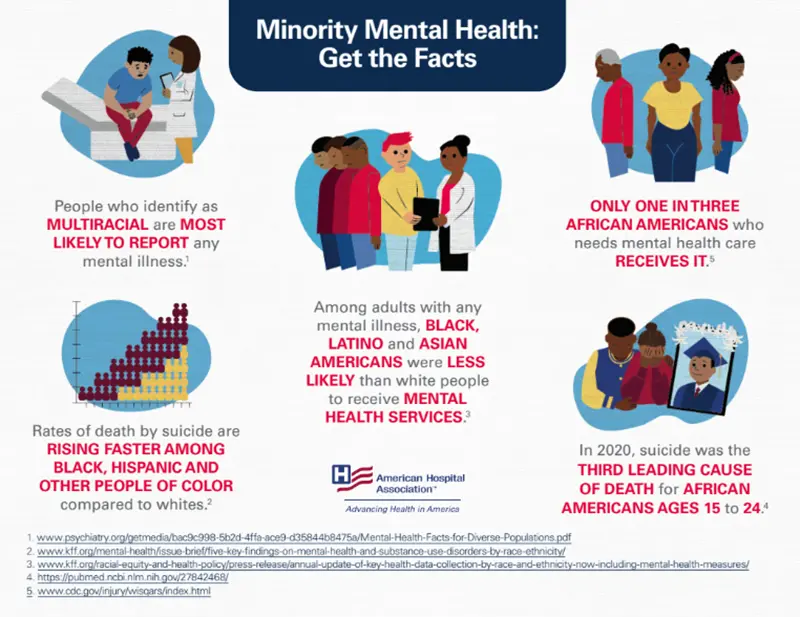
Racial and ethnic minorities often encounter specific challenges when it comes to accessing mental health services. These challenges can stem from a combination of economic, cultural, and systemic barriers that differ significantly from the experiences of the majority population.
For instance, cultural stigmas surrounding mental health may discourage individuals from seeking help, while language barriers can create misunderstandings between patients and providers. Additionally, systemic issues such as lack of representation in mental health professions can lead to feelings of mistrust and alienation among minority communities.
Resources for Mental Health Support
Access to appropriate resources is crucial for minorities seeking mental health support. Organizations and hotlines dedicated to minority mental health can provide tailored assistance and guidance to individuals in need.
For example, the National Alliance on Mental Illness (NAMI) offers resources specifically aimed at supporting racial and ethnic minorities. Furthermore, local community centers often host workshops and support groups that address the unique mental health needs of these populations.
Building a Supportive Community
Establishing a strong support system is essential for overcoming mental health barriers. Community support can provide individuals with a sense of belonging and validation, which is particularly important for those facing cultural stigmas.
Engaging with local groups, whether through places of worship, cultural organizations, or recreational activities, can foster connections that encourage open discussions about mental health. This sense of community can empower individuals to seek help and share their experiences without fear of judgment.
Encouraging Therapy and Counseling
Therapy can be a transformative experience for individuals facing mental health challenges, especially for those from minority backgrounds. It provides a safe space to explore feelings, confront stigma, and develop coping strategies.
At Sunshine State Counseling Center, we emphasize the importance of culturally competent therapy that respects and understands the unique backgrounds of our clients. By encouraging individuals to pursue therapy, we aim to dismantle the barriers that prevent minorities from accessing vital mental health services.
Understanding the Unique Challenges Faced by Minorities
Racial and ethnic minorities often encounter specific challenges when it comes to accessing mental health services. These challenges can stem from a combination of economic, cultural, and systemic barriers that differ significantly from the experiences of the majority population.
For instance, cultural stigmas surrounding mental health may discourage individuals from seeking help, while language barriers can create misunderstandings between patients and providers. Additionally, systemic issues such as lack of representation in mental health professions can lead to feelings of mistrust and alienation among minority communities.
Resources for Mental Health Support
Access to appropriate resources is crucial for minorities seeking mental health support. Organizations and hotlines dedicated to minority mental health can provide tailored assistance and guidance to individuals in need.
For example, the National Alliance on Mental Illness (NAMI) offers resources specifically aimed at supporting racial and ethnic minorities. Furthermore, local community centers often host workshops and support groups that address the unique mental health needs of these populations.
Building a Supportive Community
Establishing a strong support system is essential for overcoming mental health barriers. Community support can provide individuals with a sense of belonging and validation, which is particularly important for those facing cultural stigmas.
Engaging with local groups, whether through places of worship, cultural organizations, or recreational activities, can foster connections that encourage open discussions about mental health. This sense of community can empower individuals to seek help and share their experiences without fear of judgment.
Encouraging Therapy and Counseling
Therapy can be a transformative experience for individuals facing mental health challenges, especially for those from minority backgrounds. It provides a safe space to explore feelings, confront stigma, and develop coping strategies.
At Sunshine State Counseling Center, we emphasize the importance of culturally competent therapy that respects and understands the unique backgrounds of our clients. By encouraging individuals to pursue therapy, we aim to dismantle the barriers that prevent minorities from accessing vital mental health services.