
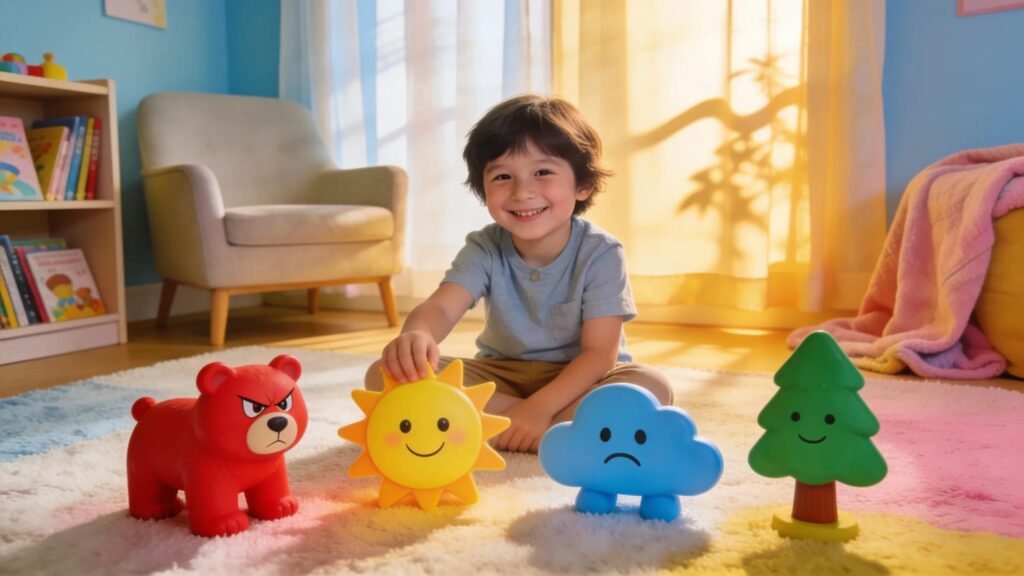
The Power of Play: How Play Therapy Helps Children Heal
By Diana Salazar, Sunshine State Counseling Center
Play is an essential part of childhood, serving not just as entertainment but also as a critical vehicle for learning and emotional growth. Play therapy utilizes this natural inclination toward play to facilitate healing in children facing emotional and psychological challenges. In this article, we will explore how play therapy works, the benefits it offers, and the role parents can play in this therapeutic process. By understanding the mechanisms behind play therapy, one can appreciate its significance in nurturing children’s emotional well-being. This exploration will cover various techniques employed in play therapy, its effectiveness, and the support parents can provide throughout their child’s therapeutic journey.
What Is Play Therapy?
Play therapy is a therapeutic approach that uses play as a means of communication and expression for children. In this method, children are encouraged to express their feelings and experiences through play, allowing them to process emotions and experiences that they may not yet fully understand or articulate. The importance of play in developing children’s communication skills cannot be overstated. It provides a safe space for children to explore their thoughts and emotions without the constraints of adult language. Play therapy plays a crucial role in promoting emotional healing by allowing therapists to observe and engage with children in a manner that resonates with their innate preferences and comfort zones.
How Does Play Therapy Work?
Play therapy employs various techniques tailored to the child’s individual needs. The therapist typically uses a range of play mediums such as toys, art supplies, and games, facilitating an environment where children can freely express themselves. In this setting, the therapist adopts an active and supportive role, guiding the child through their play while providing a non-judgmental space for exploration. Sessions are usually structured to include warm-up activities, free playtime, and therapeutic discussions following the play, creating a holistic experience that suits the child’s emotional state.
Benefits of Play Therapy
Play therapy offers several critical benefits for children, addressing their emotional and psychological well-being effectively. Among these benefits are:
- Emotional Resilience: Children learn to cope with their feelings and develop resilience in facing challenges through symbolic play.
- Social Skills Improvement: Engaging in group play therapy enhances interpersonal skills and teaches cooperation and empathy.
- Coping Strategy Development: Children can explore and practice coping strategies in a safe environment, aiding in their emotional regulation.
In addition to these benefits, play therapy provides a unique setting for children to understand their emotions and the impact of their experiences, leading to greater self-awareness.
| Benefit | Description | Impact Level |
|---|---|---|
| Emotional Resilience | Develops coping mechanisms through play | High |
| Social Skills Improvement | Enhances interpersonal skills in group settings | Very High |
| Coping Strategy Development | Facilitates practice of various coping methods | High |
Integrating these therapeutic benefits establishes a foundation for children to tackle their emotional challenges constructively. As children engage in play therapy, they experience therapeutic alliances that often lead to profound changes.
Effectiveness of Play Therapy
Research consistently shows that play therapy can be significantly effective for children suffering from a range of emotional and behavioral issues. Studies demonstrate that children aged 3 and older show positive outcomes in sessions, especially those struggling with anxiety, trauma, and developmental disabilities. Effectiveness tends to vary based on the child’s age, the specific issues addressed, and the therapeutic modalities employed. Clinical evidence supports the notion that children who engage in play therapy often report heightened emotional well-being and improved behavior both at home and in academic settings.
Role of Parents
Parents play a critical role in the success of play therapy. Their involvement can greatly enhance the therapeutic process and ensure continuity of care. By supporting their child’s participation, parents can help maintain a consistent therapeutic environment. This involvement may include reinforcing the skills learned during sessions at home and fostering an atmosphere where emotional expression is embraced. Techniques such as discussing feelings, engaging in play at home, and providing encouragement can significantly impact a child’s therapeutic outcomes.
The integration of parental support into the play therapy regimen fosters not only a supportive environment but also strengthens the parent’s relationship with the child, facilitating better communication and understanding.
Supporting Your Child's Therapeutic Journey
- Encourage Open Dialogue: Create a home environment where feelings can be discussed openly, encouraging children to express emotions freely.
- Participate in Play: Engage in play activities with your child, reinforcing the skills and techniques taught in therapy.
- Be Patient: Understand that progress in therapy can take time and that emotional healing is a gradual process.
By embracing these strategies, parents can further enhance the therapeutic experience for their children, making it a more holistic journey toward healing.
Play therapy stands as a powerful tool in the realm of child counseling, providing a unique avenue through which children can explore their emotions and experiences. By understanding what play therapy entails, how it works, its numerous benefits, and the essential role parents play in this process, caregivers can better support their children’s emotional health. As children engage in this therapeutic journey, they develop the necessary skills to navigate the complexities of their feelings and learn to thrive in their emotional worlds. For those interested in exploring play therapy, engaging with mental health professionals is a critical step toward enhancing children’s emotional well-being.
Play Therapy vs. Traditional Talk Therapy: Why Play Matters
Play is an essential mode of interaction for children, differing significantly from traditional talk therapy methods often employed with adults. Unlike traditional talk therapy, which relies heavily on verbal communication, play therapy leverages the natural way children express themselves. This distinction is crucial; play therapy allows children to manifest their internal conflicts and emotions through activities, helping them process feelings in ways that words often fail to capture.
The differences between these methods underscore the significance of play in therapeutic settings. While talk therapy can be effective for many, play therapy is often more appropriate for younger clients, who may not yet have the cognitive or linguistic skills to engage fully in a verbal dialogue. By acknowledging the unique benefits of play, clinicians can better assist each child in their healing journey and foster emotional development in a way that resonates deeply with their inherent ways of interacting with the world.