
Anxiety in Children and Teens: A Guide for Parents
By Diana Salazar, Sunshine State Counseling Center
Anxiety in children and teens has become increasingly prevalent in recent years, creating a pressing need for parents to understand its complexities. This comprehensive guide explores essential insights into anxiety symptoms, coping strategies, and when to seek professional help. Parents will learn how to effectively support their children and recognize signs of distress, ensuring their well-being. Understanding anxiety is crucial, as it can impact overall development, academic performance, and interpersonal relationships. This article will cover various aspects, including symptoms, coping strategies, and resources for support, empowering parents to take proactive measures against anxiety.
Comprehensive Guide for Parents on Anxiety in Children and Teens
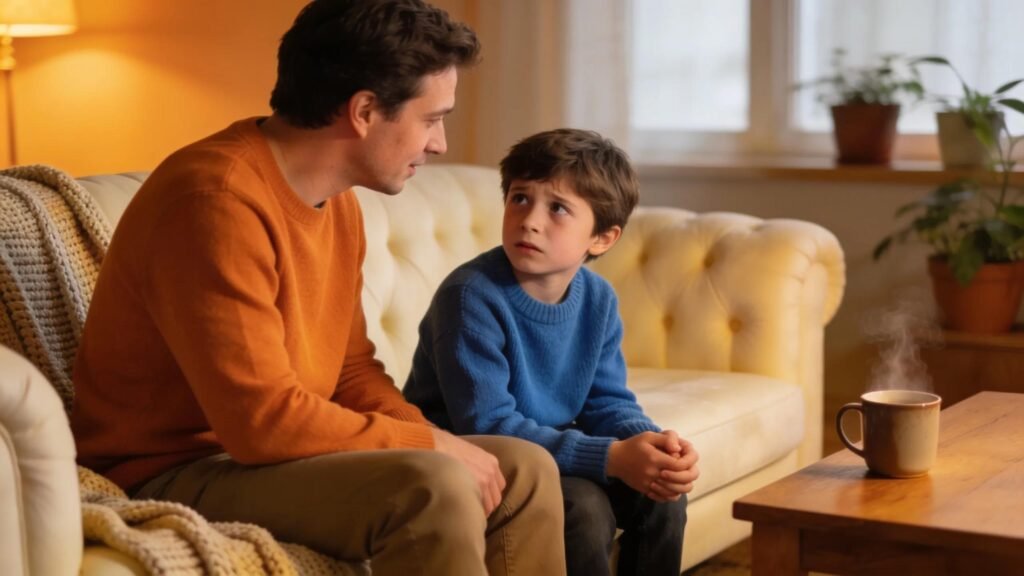
Anxiety is a common mental health issue faced by children and teens. Identifying symptoms early is key to effective management and support. Parents play a vital role in providing a safe and understanding environment for their children to express fears and challenges. Encouraging open communication about feelings and experiences can foster emotional resilience. This guide will help parents navigate the turbulent waters of adolescent anxiety, offering insights into how to recognize symptoms, provide support, and seek professional guidance when necessary.
Understanding Symptoms of Anxiety:
Anxiety manifests in various ways, and recognizing the symptoms is the first step toward helping children and teens. Common emotional symptoms include excessive worry, irritability, or feelings of distress. Physical symptoms may involve stomachaches, headaches, and persistent fatigue. Additionally, behavioral indicators like avoidance, clinginess, or meltdowns often indicate anxiety. Understanding these symptoms allows parents to respond effectively and compassionately to their child’s needs.
Effective Coping Strategies:
Parents can support their anxious children by implementing various coping strategies. Effective coping is about teaching children how to manage their feelings in healthy ways. This can include:
- Open Communication: Encourage children to share their feelings without fear of judgment.
- Establish Routines: Consistent daily routines can create a sense of security and predictability for anxious children.
- Relaxation Techniques: Practicing methods such as deep breathing, grounding exercises, and positive self-talk can empower children to feel more in control.
After these strategies, parents may consider the support options available. Supportive Space Counseling Center specializes in mental health services targeting anxiety issues among children and teens, focusing on parental guidance and holistic family support.
When to Seek Professional Help:
Recognizing when it is necessary to seek professional help for an anxious child can be challenging. Parents should consider consulting a mental health professional if their child exhibits:
- Persistent symptoms that interfere with daily activities, such as school or social interactions.
- Difficulty coping despite parental support and self-help strategies.
- Intense feelings of distress that impact their overall well-being.
Early intervention can provide significant benefits and prevent further complications associated with untreated anxiety.
Resources for Support:
Numerous resources are available to assist parents in finding support for their anxious children. These include:
- Local Counseling Centers: Seeking professional help from child therapists in Fort Myers or nearby areas can provide targeted support.
- Online Platforms: Many online resources offer guidance and tools for managing anxiety.
- Community Programs: Local organizations may provide workshops, support groups, or family counseling options.
By utilizing these resources, parents can enhance their ability to help their children effectively.
Building Resilience:
Fostering resilience in children is crucial for managing anxiety in the long term. Strategies for building resilience include:
- Encouraging Problem-Solving Skills: Teach children to approach problems constructively and develop coping mechanisms.
- Providing Emotional Support: Offer consistent emotional support to bolster their self-esteem and confidence.
- Engaging in Constructive Family Activities: Participating in family-oriented tasks can strengthen bonds and create a supportive environment.
Understanding Childhood and Adolescent Anxiety
Anxiety affects individuals differently at various developmental stages. Understanding these differences is essential for parents seeking to help their children.
Symptoms:
Children and adolescents may display various symptoms associated with anxiety. Key symptoms to recognize include:
- Emotional instability and worry
- Physical manifestations like stomachaches and headaches
- Behavioral changes such as withdrawal or increased clinginess
Causes:
Anxiety can stem from multiple factors, including:
- Genetic and Biological Influences: Family history may increase the likelihood of anxiety disorders.
- Environmental Factors: Stressful home environments or unpredictable surroundings can trigger anxiety.
- Peer Pressure and Academic Stress: Adolescents often face pressures from social interactions and academic demands, which can exacerbate anxiety.
What Is Anxiety? A Developmental Perspective
Understanding anxiety from a developmental perspective is crucial. Anxiety is not merely a disorder; it is a complex emotional response influenced by age, environment, and individual temperament. Young children might express anxiety through clinginess or distress during separation, while teens may internalize their worries, leading to social withdrawal.
How Anxiety Differs from Normal Worry and Fear
While worry and fear are typical emotions, anxiety is characterized by its intensity and persistence. Normal worry might involve concern about an upcoming test, while anxiety can manifest through overwhelming feelings of dread that hinder daily functioning. Recognizing this distinction can help parents assess their child’s emotional state better.
Understanding the Prevalence of Childhood Anxiety Disorders
Statistics highlight that anxiety is the most prevalent mental health issue among children. As research indicates, approximately 1 in 8 children experience anxiety disorders, which underscores the importance of awareness and early intervention.
Recognizing the Signs of Anxiety in Children
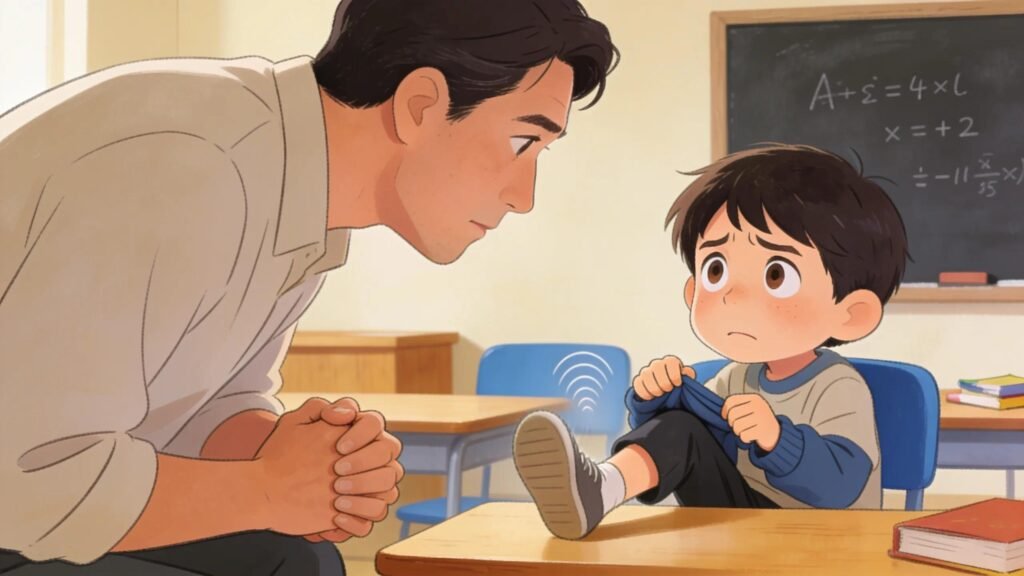
Identifying signs of anxiety early is vital for effective intervention. Parents should monitor their child’s emotional and behavioral patterns, looking for the following signs:
Key Symptoms:
Recognizing key symptoms such as excessive worry and physical manifestations is essential. Awareness of these indicators enables timely support and effective management of anxiety.
Behavioral Indicators:
Behavioral signs that may indicate anxiety include:
- Withdrawal from social activities
- Increased clinginess or avoidant behavior
- Changes in sleeping or eating patterns
Age-Specific Manifestations:
The expression of anxiety varies significantly by age. Young children may exhibit physical complaints and regression in behavior, while older children and teens may show increased irritability and social avoidance.
Physical Symptoms: Stomachaches, Headaches, Restlessness, Fatigue
Children’s physical symptoms of anxiety often manifest through complaints like stomachaches, headaches, and fatigue. These physical manifestations can be distressing and may complicate their ability to engage fully in daily activities, reinforcing their anxiety experiences.
Emotional Symptoms: Excessive Worry, Irritability, Crying, Perfectionism
Emotional symptoms associated with anxiety can include excessive worry about daily tasks, irritability, and crying spells. Children might also develop perfectionistic tendencies, fearing failure or criticism in various aspects of their lives.
Behavioral Symptoms: Avoidance, Clinginess, Meltdowns, Sleep Disturbances
Behavioral symptoms of anxiety can vary widely. Common behavioral indicators include avoidance of certain situations, clinginess to parents, meltdowns, and disturbances in sleep patterns. Recognizing these behavioral signs can help parents identify anxiety and take appropriate action.
How Anxiety Manifests Differently in Young Children vs. Teens
Anxiety can present differently across developmental stages. Young children may exhibit more tangible symptoms, while teenagers might internalize their fears, leading to emotional distress. Understanding these differences can guide parents in offering appropriate support.
Common Types of Anxiety in Children and Teens
Several types of anxiety disorders can affect children and teens, with each presenting unique challenges. Some common forms include:
- Generalized Anxiety Disorder (GAD): Characterized by persistent and excessive worry about various life events.
- Separation Anxiety: Affects younger children who fear being apart from caregivers.
- Social Anxiety: In teens, this may manifest as intense fear around social interactions or performance situations.
What Causes Anxiety in Children?
Understanding the causes of anxiety is crucial for effective intervention. Common contributing factors include:
Genetic and Biological Factors
Genetic predispositions play a significant role, as anxiety can run in families. Biological factors affecting brain chemistry may also contribute to the development of anxiety disorders.
Environmental and Family Influences
Family dynamics and environmental stressors can significantly impact a child’s anxiety levels. Children who grow up in high-stress environments or face inconsistent parenting may be more prone to anxiety disorders.
Trauma, Stress, and Major Life Changes
Traumatic events, significant lifestyle changes, and increased stress levels can trigger or exacerbate anxiety symptoms in children. Recognizing the impact of these experiences is essential in understanding a child’s mental health needs.
The Impact of Social Media and Academic Pressure on Teens
In today’s digital age, the influence of social media and academic pressure is profound. Adolescents often face unique stressors that can lead to heightened anxiety levels, making it crucial for parents to navigate these modern challenges effectively.
How Parents Can Help an Anxious Child
Parents play a vital role in supporting their anxious children. Several strategies can help mitigate anxiety:
Validate Their Feelings Without Reinforcing Avoidance
Acknowledge a child’s feelings without reinforcing avoidance behaviors. Encouraging open discussions about anxiety can foster understanding and support.
Teach Coping Skills: Deep Breathing, Grounding, Positive Self-Talk
Teaching coping skills such as deep breathing and positive self-talk can empower children to manage anxiety more effectively. Regular practice can strengthen these skills.
Maintain Routines and Predictability
Establishing consistent routines can provide a sense of stability, important for anxious children. Predictability can alleviate feelings of uncertainty and fear.
Model Healthy Stress Management
By demonstrating healthy stress management techniques, parents can model effective coping strategies for their children. This may include actions like regular exercise or stress-relief activities.
When to Seek Professional Help
If anxiety symptoms are persistent and interfere with daily life, seeking professional help is crucial. Counseling provides valuable support and therapeutic techniques tailored to the child’s needs.
Treatment Options for Childhood Anxiety

Various treatments are available for managing childhood anxiety. Effective options include:
- Cognitive Behavioral Therapy (CBT): A widely recognized treatment approach focusing on altering negative thought patterns.
- Exposure Therapy: Gradual exposure to feared situations to build coping mechanisms.
- Family Therapy: Engaging the family unit in therapy can provide a comprehensive support network.
- Medication: In some cases, medication may be deemed appropriate to manage symptoms effectively.
Finding Anxiety Support for Your Child in Fort Myers
When searching for anxiety support, parents should look for qualified therapists who specialize in child and adolescent anxiety. Investigating local options and reviewing credentials can aid in selecting the right professional.
What to Look for in a Child Anxiety Therapist
Essential criteria when selecting a therapist for a child includes:
- Qualifications and Experience: Look for providers with experience treating anxiety disorders in children and teens.
- Therapeutic Approaches: Understand the therapeutic methods offered and how they align with the child’s needs.
- Questions to Ask During Consultation: Engage in initial sessions to assess compatibility and approach.
Child and Teen Anxiety Therapy at Sunshine State Counseling Center
Sunshine State Counseling Center offers specialized therapy aimed at addressing childhood and teen anxiety. With a focus on evidence-based practices, trained professionals facilitate tailored treatment plans to support mental health and emotional resilience.
Through comprehensive assessments and collaborative discussions, families can explore the best path forward for managing anxiety and fostering greater well-being.